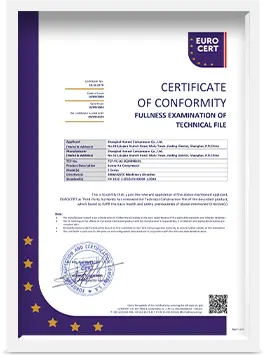
Engineered for Cleanroom & High-Purity Applications in Seoul
Explore our premier oil-free screw air compressor packages customized for South Korean industrial voltages (380V / 440V 60Hz) with full KC certification and ultra-quiet operational acoustic enclosures.
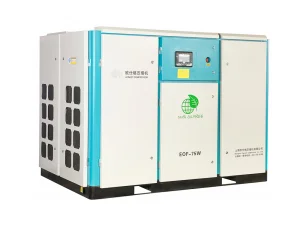
Seoul Industrial 55kW to 315kW Dry Type Oil-Free Screw Compressor (Fixed & VSD PM)
- 100% Class 0 Dry Compression
- High-grade Ultra-Coated Rotors
- Permanent Magnet Synchronous VFD
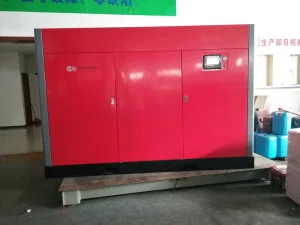
Seoul Cleanroom Smart Water-Lubricating 100% Oil-Free Compressor (Fixed/VSD PM)
- Quasi-Isothermal Compression
- Zero Chemical Additives
- Stainless Steel Airend Housing
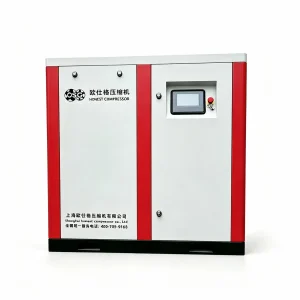
Songdo Bio-Pharma Grade OEM Oil-Free Water-Lubricated 37kW Compressor
- Low Discharge Temp (<45°C)
- Ceramic & Polymer Rotor System
- Compact Cleanroom Footprint
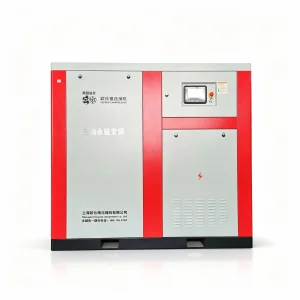
EOWV-45A/W High Efficiency Oil-Free Water-Lubricated Screw Compressor (Seoul Fleet)
- Air or Water Cooling Flexibility
- Dual Reverse Osmosis Water Loop
- Smart IoT Telemetry Ready
The Compressed Air Paradigm Shift in Seoul & the Greater Capital Area (GCA)
The Seoul Metropolitan Area, together with the surrounding Gyeonggi industrial belt (encompassing Pyeongtaek, Hwaseong, Yongin, and Icheon), represents the world's most concentrated node of high-tech manufacturing, semiconductor fabrication, biopharmaceutical processing, and next-generation battery cell development. Within these high-capital, mission-critical environments, compressed air is universally recognized not merely as plant utility power, but as a direct process component—a critical utility that makes direct physical contact with microscopic silicon surfaces, aseptic biological solutions, and sensitive chemical precursors.
Historically, industrial facilities relied upon standard oil-injected screw compressors paired with extensive multi-stage coalescing filtration systems. However, as semiconductor gate geometries shrink below 3nm at Samsung and SK hynix facilities, and monoclonal antibody manufacturing expands across Songdo Bio Valley, even fractional trace hydrocarbon carryover (sub-0.01 mg/m³) introduces catastrophic risks: photoresist poisoning, wafer batch scrapping, toxic batch contamination in bio-reactors, and catastrophic electrode de-lamination in secondary battery pouch assembly. Consequently, modern industrial enterprises across Seoul and Incheon have instituted strict mandates: compressed air must meet ISO 8573-1:2010 [Class 0] purity at the generation source, completely eliminating oil from the compression chamber itself.
South Korea's Regulatory & Decarbonization Pressures: K-RE100 & K-ETS
Beyond molecular purity requirements, Seoul-based manufacturing conglomerates (Chaebols) and Tier-1/Tier-2 automotive and electronics suppliers face aggressive decarbonization roadmaps under Korea's 2050 Carbon Neutrality goals and K-RE100 (Renewable Electricity 100%). Industrial electricity tariffs set by KEPCO (Korea Electric Power Corporation) have witnessed multiple upward revisions in recent years. Considering that electricity costs comprise between 75% and 82% of an industrial compressor's total lifecycle cost over a 10-year period, operating inefficient, fixed-speed, or throttling air units represents an unsustainable operational expenditure.
Our Oil-Free Rotary Screw Air Compressor systems, engineered with high-frequency Permanent Magnet Variable Speed Drive (PM VFD) motors and two-stage intercooled dry compression or single-stage isothermal water-lubricated chambers, directly address this imperative. By modulating motor rotational velocity precisely to fluctuating plant flow demands, our systems eliminate artificial idling loss, curtail electrical spike loads upon startup, and generate verifiable electrical savings between 22% and 38% compared to legacy installations.
| Performance Metric | Standard Oil-Injected + Filtration | Dry-Type Oil-Free Two-Stage | Water-Lubricated Isothermal Oil-Free |
|---|---|---|---|
| Air Quality Purity | ISO 8573-1 Class 1–2 (Risk of Filter Failure) | ISO 8573-1 Class 0 (Certified 100% Zero Oil) | ISO 8573-1 Class 0 (Certified 100% Zero Oil) |
| Discharge Air Temp | 75°C – 95°C | 140°C – 180°C (Requires Aftercooler) | < 45°C (Quasi-Isothermal) |
| Specific Power Consumption | 6.8 – 7.4 kW / (m³/min) | 6.5 – 7.1 kW / (m³/min) | 5.9 – 6.4 kW / (m³/min) |
| Secondary Waste Stream | Hazardous oily condensate discharge | Neutral condensate (pure water vapor) | Neutral condensate (self-purifying loop) |
| Cleanroom Suitability | Strictly Prohibited for ISO 1–4 Cleanrooms | Full Compliance with Cleanroom HVAC | Optimal for Bio/Pharma Cleanrooms |
Macroscopic Industry Solutions: Tailored Engineering for Seoul Sectors
1. Semiconductor & Display Mega-Fabs (Pyeongtaek, Giheung, Asan)
Modern semiconductor fabrication plants (Fabs) consume massive volumes of instrument-grade air (CDA - Clean Dry Air) for pneumatic robotic handling, optical lens purge in EUV lithography tools, dry etching vacuum displacement, and automated wafer transfer tracks. In these environments, airborne molecular contaminants (AMCs)—particularly volatile organic compounds (VOCs) derived from synthetic lubricants—can coat silicon wafers, causing gate dielectric breakdown. Our Dry-Type Oil-Free EOF Series utilizes non-contact screw rotors coated with food-and-semiconductor-safe UltraCoat molybdenum disulphide ceramic layers, backed by non-contact atmospheric air seals that isolate the timing gear lubrication sump completely from the compression chamber. Even under catastrophic seal wear, internal chamber pressure gradients ensure zero lubricants can enter the compressed stream.
2. Biopharmaceutical & Fermentation Plants (Incheon Songdo & Magok R&D Complex)
Across the biopharma manufacturing corridors of Songdo and the biotech research labs in Seoul's Magok district, compressed air interacts directly with living cell cultures during aerobic sparging in giant bioreactors and during sterile ampoule blow-fill-seal (BFS) packaging. Hydrocarbon presence can inhibit cell metabolic output or render million-dollar biologics batches contaminated. Our Water-Lubricated Oil-Free series replaces synthetic lubricating oils entirely with demineralized, reverse-osmosis (RO) purified water. The water acts simultaneously as rotor lubricant, dynamic sealant, and heat-absorption medium. The process achieves nearly isothermal compression, keeping the air discharge temperature under 45°C and mitigating bacterial germination risks.
3. Electric Vehicle (EV) Lithium-ion Battery Cells (Hwaseong & Cheonan Corridors)
South Korea's leading battery giants operate expansive gigafactory testbeds and supply chain nodes around Seoul. During cathode and anode slurry coating, calendering, and vacuum electrolyte filling, moisture and oil vapor are critical enemies. Moisture induces hydrofluoric acid formation in lithium hexafluorophosphate electrolytes, while oil traces cause micro-pinholes in separator membranes. Combined with our high-dewpoint desiccant drying and catalytic oxidation stages, our oil-free screw systems deliver clean dry air with pressure dew points reaching -70°C, upholding zero-tolerance standards across electrode assembly.
Seoul Operational Metrics
Audited technical milestones across Korean high-tech installations.
-
100%ISO 8573-1 Class 0 Purity
-
35.4%Average Power Reduction (PM VFD)
-
< 65 dB(A)Acoustic Sound Enclosure
-
KC MarkKorea Certification Compliant
Engineering Consultation in Seoul
Need immediate on-site energy audit or plant load-profile analysis in Seoul, Gyeonggi, or Incheon?
Contact Korean Engineering DeskLocalized Support, KOSHA Standards & Compliance Guarantees
Navigating South Korea's industrial landscape demands adherence to specialized statutory safety protocols, high-efficiency ratings, and regional electrical infrastructure.
South Korea Voltage & Grid Conformity
Full native support for 380V, 440V, and 6,600V (Medium Voltage) configurations at 60 Hz. Inverters and control panels are fitted with harmonic suppression filters complying with KEPCO power factor regulations.
KOSHA & High-Pressure Gas Safety Act
Every air receiver vessel, moisture separator, and heat exchanger undergoes rigorous hydraulic proof testing and documentation matching Korea Occupational Safety and Health Agency (KOSHA) and KGS codes.
KEA Energy Efficiency Validation
Our permanent magnet synchronous motors (IE4 / IE5 Ultra-Premium Efficiency class) comply with Korea Energy Agency (KEA) Minimum Energy Performance Standards (MEPS), facilitating local green energy subsidies.
Smart Factory 4.0 Telemetry (IoT)
Built-in industrial edge controllers featuring Modbus TCP, PROFINET, and EtherCAT connectivity ensure flawless integration with Korean MES and SCADA network architectures for predictive maintenance.
Rapid Spare Parts Depots in Gyeonggi
Critical lifecycle components—including precision air filters, non-wearing seal kits, synthetic cooling fluid, and replacement VFD inverters—are stockpiled for rapid dispatch across Seoul within 4 hours.
Korean Bilingual Technical Support
Engineering teams provide bilingual technical documentation, on-site commissioning, air audit baseline logging, and factory acceptance testing (FAT) for Seoul-based plant managers and EPC engineering contractors.
Technical Roadmap & Future Outlook: Next-Gen Oil-Free Aerodynamics
The compressed air sector is undergoing an engineering renaissance driven by computational fluid dynamics (CFD) and material sciences. In partnership with advanced metallurgy research, our engineering roadmap focuses on three foundational vectors designed to reduce the cost of clean air generation across Northeast Asia:
1. Diamond-Like Carbon (DLC) & Nanocomposite Rotor Coatings
Conventional dry screw compressors depend on PTFE or epoxy-based rotor coatings that degrade after 40,000 to 50,000 operating hours under high thermal gradients, resulting in widened rotor clearances, internal air slippage, and declining volumetric efficiency. Our next-generation airends incorporate plasma-deposited Diamond-Like Carbon (DLC) combined with titanium-nitride nanocomposite coatings. This metallurgical bond withstands continuous operating temperatures up to 260°C, virtually eliminates peeling, and maintains airtight tolerances across a 100,000-hour service lifecycle.
2. AI-Driven Adaptive Pressure Optimization (Dynamic Load Modulation)
In standard automated factories around Seoul, compressor delivery pressure is often kept 1.0 to 1.5 bar higher than tool requirement to compensate for downstream pipeline distribution drops. Our proprietary AI algorithmic controllers monitor real-time pressure transducers situated directly at the cleanroom tools. By integrating dynamic edge learning, the compressor dynamically modulates its discharge pressure in micro-increments of 0.05 bar, capturing up to 8% additional energy savings without risking tool pressure starvation.
3. Zero-Carbon Waste Heat Recovery Integration (Chiller & Facility Heating)
Approximately 94% of electrical energy consumed by a screw air compressor is transformed into heat. In typical installations, this thermal energy is vented to the atmosphere via cooling towers or exhaust radiators. Our Seoul-tailored packages can be factory-equipped with internal shell-and-tube or brazed plate thermal recovery modules. This architecture captures high-grade hot water (up to 75°C) from the intercoolers and oil jackets, routing it directly into cleanroom pre-heating systems, boiler feed lines, or employee sanitary facilities, drastically curtailing boiler LNG consumption.
Procurement Checklist for Korean Engineers
Ensure your compressed air bid specifications cover critical reliability criteria:
- Class 0 Third-Party Certification: Must be certified by TÜV Rheinland or equivalent under ISO 8573-1 testing protocols.
- 60Hz Native Frequency: Direct-drive motors wound natively for Korean 60Hz grids (avoid 50Hz de-rated units).
- Specific Power Guarantee: Demanded kW/(m³/min) at 7.0 bar(g) tested in accordance with ISO 1217 Annex C/E.
- Corrosion-Proof Materials: Stainless steel water piping and air coolers for humid monsoon periods in South Korea.
- Local KOSHA Certification: Pressure vessel compliance plates stamped with authorized serials.
Specialized Oil-Free, PM VSD & Vacuum Packages for Seoul
Explore our specialized heavy-duty air ends, dual-stage compressors, and semiconductor vacuum systems serving industrial buyers across South Korea.
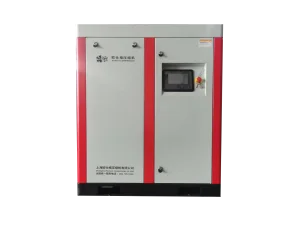
Seoul Industrial 30kW Water-Lubricated Oil-Free VSD Air Compressor (380V/440V)
- High Efficiency Inverter Drive
- Pure Water Mist Lubricated
- Low Noise Acoustic Chassis
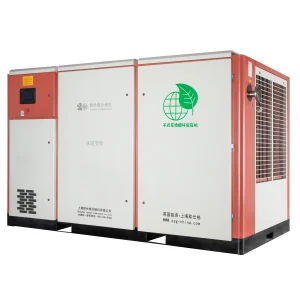
Seoul Electronics Grade ODM EOF Dry Screw Compressor (100% Oil-Free PM VFD)
- Two-Stage Intercooled Airend
- Advanced Dry Rotor Seals
- IE5 Synchronous Motor
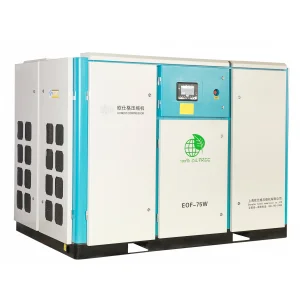
Korea Enterprise EOF Series Oil-Free Dry Screw Compressor (100% Oil-Free PM VFD)
- 24/7 Heavy Base Load Rating
- Carbon Ring Air Isolators
- Color Touch PLC in Korean
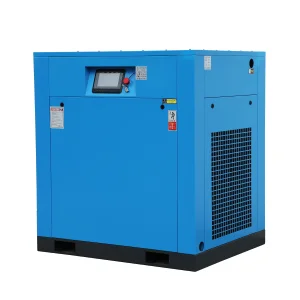
Seoul Automation Permanent Magnet VFD Rotary Screw Compressor 11kW
- High Torque at Low Frequencies
- Ultra-Compact Modular Footprint
- Plug-and-Play Quick Setup
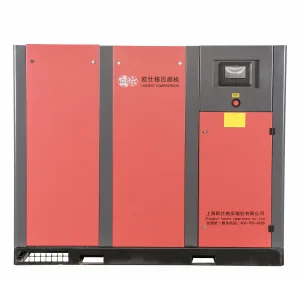
Dual Permanent Magnet Integrated Two-Stage Compression Series (Seoul Heavy Duty)
- Independent Rotor Speed Control
- Low Pressure Ratio per Stage
- Exceptional Volumetric Output
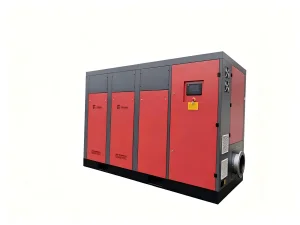
Seoul Semiconductor & Chemical Industrial Oil-Free High Efficiency Screw Vacuum Pump
- Harsh Process Gas Handling
- Contactless Screw Profile
- Zero Effluent Hydrocarbons
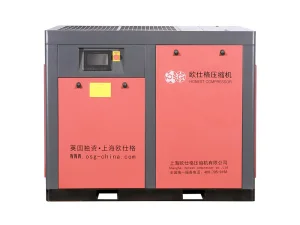
Seoul Energy-Saving Double Screw Air Compressor with Integrated Inverter & VSD PM Motor
- Direct Inline Coupling
- Wide Modulation Band (25-100%)
- Low Inrush Current Spike
Seoul GCA Enterprise Honest EOF Oil-Free Dry Screw Compressor (100% Oil-Free PM VFD)
- Stainless Steel Air Flow Path
- Dual Safety Relief Manifolds
- Comprehensive 5-Year Airend Warranty
Frequently Asked Questions for Industrial Buyers in Seoul
Find clear engineering answers regarding procurement, air purity, local codes, and operating costs in the South Korean market.
Why is ISO 8573-1 Class 0 oil-free air mandatory for Seoul semiconductor & bio plants?
ISO 8573-1 Class 0 defines the most stringent air quality class achievable, demanding total oil concentration (including liquid, aerosol, and vapor) of less than 0.01 mg/m³ at standard atmospheric conditions. In semiconductor facilities across Gyeonggi and biopharma hubs in Songdo, oil-injected compressors equipped with inline coalescence filters represent an unacceptable catastrophic risk point: filter saturation or thermodynamic vapor bypass releases airborne hydrocarbons into cleanrooms. This induces photoresist stripping defects, optical mirror clouding, and biopharmaceutical batch contamination. Class 0 oil-free compressors physically isolate lubricants from the compression cavity, guaranteeing absolute purity at the physical source.
How do your compressors comply with South Korea’s 60Hz power grid and KEPCO regulations?
Unlike repurposed 50Hz equipment that suffers from reduced efficiency and thermal degradation when converted to 60Hz, our compressors feature direct-drive PM motors engineered natively for South Korea's three-phase 380V or 440V 60Hz grids. VFD frequency converters include built-in line reactors and RFI/EMC filtering conforming to KN 61000 standards, preventing electromagnetic noise interference with sensitive semiconductor robotics and analytical equipment. Furthermore, systems maintain a high power factor (>0.96 across all operating ranges), shielding plants from KEPCO low power factor billing penalties.
What is the maintenance lifecycle difference between Dry-Type and Water-Lubricated oil-free screws?
Dry-Type oil-free screw compressors utilize timing gears and specialized rotor surface coatings (e.g., UltraCoat, DLC) with no liquid in the chamber. Typical preventive maintenance includes timing gear oil changes every 8,000 hours, air intake filter changes every 4,000 hours, and major overhaul inspections around 40,000 to 50,000 hours. Water-lubricated oil-free units utilize purified demineralized water as the coolant and dynamic lubricant. Maintenance centers on water filter cartridge replacement and reverse osmosis (RO) membrane servicing every 2,000 to 4,000 hours, eliminating gear lubricant disposal entirely while operating at lower temperatures (35°C–45°C), thereby reducing thermal strain on mechanical bearings.
Can your compressors assist our facility in achieving K-RE100 and ESG sustainability targets?
Yes. By coupling Permanent Magnet Variable Frequency Drive (PM VFD) technology with optimized asymmetric twin-screw profiles, our systems modulate electrical consumption strictly according to real-time plant air flow. When operating at partial loads (common across multi-shift Korean production schedules), our systems eliminate unload idling power—which consumes 25% to 40% of full-load energy in fixed-speed compressors without delivering any air. In an audited 75kW installation running 6,000 annual hours, switching to our PM VFD package reduces plant electricity consumption by up to 110,000 kWh annually, avoiding approximately 55 metric tons of CO₂ equivalent emissions.
How are KOSHA safety certifications and import customs handled for projects in South Korea?
All pressure vessels, intercoolers, and safety relief valves incorporated into our air compressor packages are manufactured, inspected, and stamped in compliance with Korea Occupational Safety and Health Agency (KOSHA) and Korea Gas Safety Corporation (KGS) standards. We provide complete manufacturing dossier packages—including radiographic weld inspection reports, mill test certificates (MTC), and hydraulic pressure proof logs—ensuring expedited customs clearance at Incheon Port or Busan Port and hassle-free local governmental installation permits.
Equip Your Seoul Operation with Zero-Emission Pure Air
Collaborate directly with our senior application engineers to calculate your specific air delivery demand, run-in life cycle cost analysis, and evaluate ISO 8573-1 Class 0 packages designed for Korean industrial standards.