Engineered Models
High-Efficiency Two-Stage Compressors Serving Nigerian Plants
Featured permanent-magnet variable frequency and two-stage pressure configurations tailored for Nigerian heavy manufacturing, packaging, and petrochemical installations.
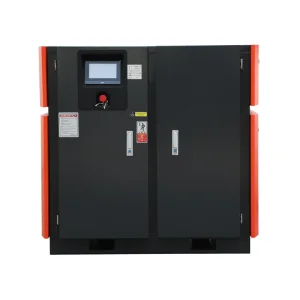
Nigeria Horizontal Two-Stage High Pressure Screw Air Compressor Direct Factory Supply
Explore Product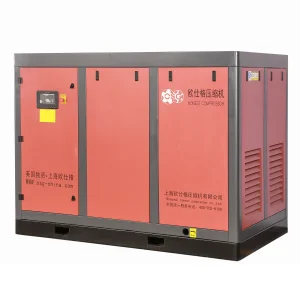
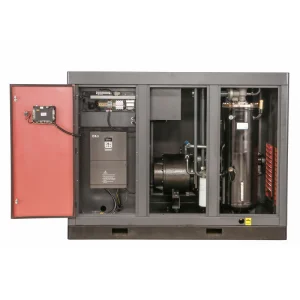
Tropicalized IP55/54 55KW 75HP Heavy-Duty Two Stage Industrial Screw Type Air Compressor for Nigeria
Explore Product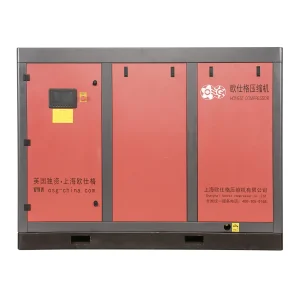
Nigeria Specification 55KW 75HP 7-13bar Two Stage Direct Drive Screw Compressor with PM VSD Inverter
Explore ProductIndustrial Intelligence
Operating Context: Why Two-Stage Compression is Crucial for Nigeria
Addressing the high-cost reality of captive diesel power generation, thermal stress, and power-factor penalties across Nigerian industrial hubs.
Captive Generator Fuel Offsetting
Over 75% of manufacturers in industrial hubs like Ikeja, Agbara, and Kano run partly or fully on off-grid diesel or gas generators. Two-stage compression divides the compression ratio over two rotor pairs, lowering thermodynamic work and slashing specific energy by 15% to 25% compared to single-stage units, directly cutting high-priced generator fuel consumption.
Extreme Thermal & Humidity Resilience
With ambient operating conditions in northern and coastal Nigeria often exceeding 40°C with high relative humidity, single-stage units frequently face high-temperature tripping and accelerated lubricant degradation. Our two-stage design incorporates intermediate oil-curtain cooling, maintaining discharge temps below 85°C and protecting bearings from early failure.
Grid Volatility & Soft Starting
Fluctuating grid voltage in transmission corridors causes motor burnout and high inrush current spikes. Equipped with permanent magnet synchronous motors and adaptive variable frequency drives, our two-stage systems offer soft-start capability with zero starting amp surges, safeguarding both your factory switchgear and backup generator sets.
25%
Typical Power Savings vs Single Stage
50°C
Engineered Ambient Cooling Limit
IP55/54
Dust & Moisture Ingress Protection
100,000+
SKF/FAG Bearing Design Life (Hours)
Factory Direct Value
Chinese Engineering Excellence: The Smart Procurement Advantage
Direct supply from our British-invested Shanghai manufacturing base provides unmatched capital expenditure efficiency, rapid delivery, and complete customization freedom for Nigerian enterprises.
Precision Rotor Grinding
Equipped with German Klingelnberg and British rotor grinding lines, guaranteeing precise 5:6 tooth meshing profiles and micro-level tolerances to minimize internal air slippage.
Rigorous Full-Load Testing
Every compressor passes an exhaustive 4-hour full-load factory run-in test verifying vibration spectrum, thermal equilibrium, and volumetric displacement per ISO 1217 Annex C.
West Africa Fast Shipping
Direct maritime container routes from Shanghai port to Apapa and Tin Can Island Ports in Lagos, complete with export crating, Soncap inspection compliance, and clean bill-of-lading support.
Lifecycle Spares Availability
All consumables—air filters, synthetic lubricants, oil separators, and solenoid valves—are standardized to global dimensions, avoiding vendor lock-in and high European spare part markups.
Application Engineering
Tailored Compression Solutions Across Nigerian Sectors
Field-proven performance across heavy manufacturing, fast-moving consumer goods, infrastructure, and agricultural processing facilities.
Plastics, PET Bottling & Packaging
High-demand blow-molding and packaging lines in Lagos and Ogun states require steady pressures from 8 to 13 bar. Our two-stage VSD units respond dynamically to mold cycling, avoiding the deep drop in air reservoir pressure that halts production lines.
Cement, Steel & Heavy Fabrication
Operations in Ibese, Ewekoro, and Calabar require durable pneumatic power for baghouse pulsing, blast furnaces, and slag conveyers. With multi-stage heavy-duty inlet filtration, our two-stage machines resist high airborne particulate concentrations without premature rotor wear.
Chemical, Agro-Allied & Food Processing
Palm oil fractionation, flour milling, and fertilizer granulation plants require 24/7 continuous process air. Two-stage compression ensures lower discharge moisture loads, significantly increasing downstream refrigerated dryer lifespan and preventing clogged pneumatic actuators.
Upgrade Your Nigerian Plant to Energy-Efficient Two-Stage Air Systems
Consult with our lead application engineers today for a complete compressor room energy audit, free air delivery sizing calculation, and direct factory quotation delivered to your port of choice.
Send Inquiry NowFull Product Matrix
Comprehensive Air System Solutions for Nigerian Industry
Explore our complete lineup of OEM/ODM two-stage, oil-free, VFD PM compressors, and high-efficiency screw blowers engineered for low total cost of ownership.
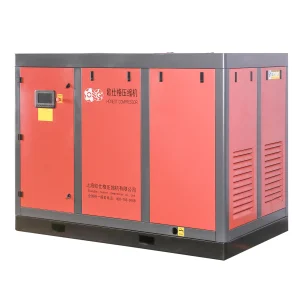
Nigeria Chemical Plant Grade OEM Two-Stage Screw Air Compressor System
View Specifications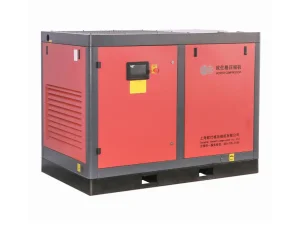
Tropical Air-Cooling OEM Two-Stage Direct Driven Screw Air Compressor for Nigeria
View Specifications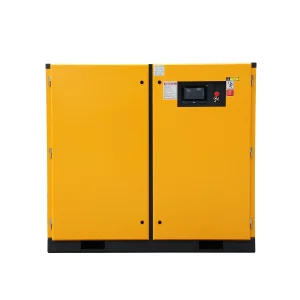
Low-Noise 10HP-100HP Rotary PM VSD Screw Type Air Compressor for Nigeria Commercial Plants
View Specifications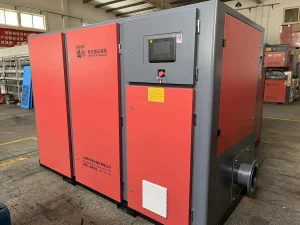
Nigeria Wastewater Treatment 30kW Oil-Free VSD Screw Blower and Vacuum Machine
View Specifications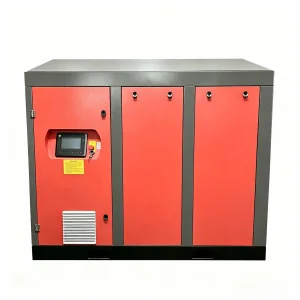
Low-Pressure Air Supply ODM PM&VSD Oil-Free Rotary Screw Blower Serving Nigeria
View Specifications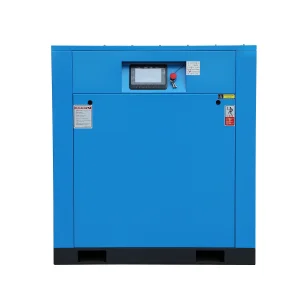
Nigeria High Pressure OEM VFD Screw Air Compressor (0.7-1.25MPa, Up to 30% Savings)
View Specifications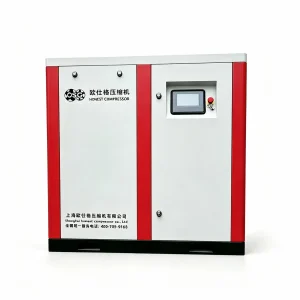
Class 0 Pure Air OEM Oil-Free Water-Lubricated 37kW Screw Air Compressor for Nigeria Food & Pharma
View Specifications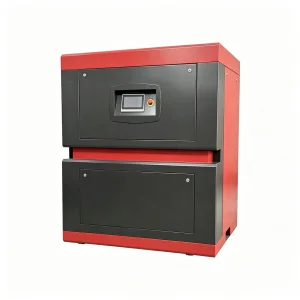
Heavy Industrial Oil-Cooled 55kW 75HP Screw Air Compressor Directly Supplied to Nigeria
View SpecificationsProcurement Guide
Strategic Engineering Criteria for Compressor Procurement in Nigeria
Key parameters international procurement managers, factory directors, and EPC contractors must evaluate before importing industrial air compressors into West Africa.
SONCAP & Standards Verification
Navigating the Standards Organisation of Nigeria Conformity Assessment Programme (SONCAP) requires compliant CE and ISO 9001 documentation, Product Certificates (PC), and SONCAP Certificates (SC). We coordinate full pre-shipment documentation to guarantee frictionless Nigerian port clearance without demurrage risks.
Electrical Rating Customization (415V/50Hz)
Standard Chinese grid ratings (380V) will cause motor overheating when dropped directly onto Nigerian industrial 415V/50Hz grids. All our compressors for Nigerian supply are wound specifically with Class F/H insulation and dual-rated 400V/415V coils to withstand transient surge fluctuations and thermal stresses.
Total Cost of Ownership (TCO) Model
Over a 10-year compressor operational cycle, purchase cost constitutes only 10% to 15% of TCO, maintenance about 10%, while energy makes up 75% to 80%. Investing in our two-stage permanent magnet variable frequency compressor recoups its premium within 8 to 14 months of operation under Nigerian energy tariffs.
Technical Clarifications
Frequently Asked Questions: Two-Stage Compressors for Nigeria
Detailed insights on technical operation, installation best practices, and procurement logistics.
What makes a two-stage screw air compressor superior to a single-stage unit in Nigeria?
A two-stage rotary screw compressor divides the overall compression process into two distinct mechanical stages. Air is compressed to an intermediate pressure in the first stage, cooled by atomized lubricant injection (inter-stage cooling), and then compressed to the final working pressure in the second stage. This process lowers the compression ratio across each rotor set, significantly reducing internal back-leakage across rotor sealing lines and bringing the compression closer to isothermal efficiency. In Nigeria, where ambient temperatures frequently reach 40°C+, this translates to roughly 15-25% energy savings and considerably lower operating thermal stress on oil and mechanical seals.
Can these compressors handle frequent Nigerian grid dropouts and captive generator transitions?
Yes. Our industrial units utilize permanent magnet variable-frequency drives (PM VSD) with smart auto-restart and low-surge start control algorithms. Unlike traditional Direct-On-Line (DOL) or Star-Delta starters that pull 4 to 7 times the running current on startup—often tripping factory backup diesel generator breakers—our VFD soft starters never exceed 100% of full load amperage during start-up. Additionally, the integrated smart PLC monitors phase loss, under-voltage, and reverse phase conditions automatically, protecting the motor and screw airend from grid switching surges.
What are the lead times and shipping routes to Lagos ports (Apapa & Tin Can)?
Standard models (15kW to 75kW) maintain a production lead time of 15 to 20 business days at our Shanghai factory, while custom-engineered units (90kW to 250kW+) take approximately 25 to 30 days. Transit time via direct container vessels from Shanghai Port to Lagos (Apapa/Tin Can Island) is typically between 32 to 42 days depending on the carrier line (e.g., Maersk, CMA CGM, COSCO). We supply full export documentation including Clean Report of Inspection, Form M compliance documents, and Bill of Lading sets.
How are spare parts and routine maintenance managed for Nigerian installations?
We supply a mandatory 2-year routine maintenance spare parts kit with each export shipment (consisting of high-efficiency oil filter elements, micro-glass fiber air filtration cartridges, spin-on or flanged oil air separator cores, and seal repair sets). All wear components utilize standard metric industrial threading and sizing, allowing factory technicians to source interchangeable consumables locally if emergency replenishments are needed without risking machine stoppage.
Is 415V/50Hz power natively supported by your air compressor control cabinets?
Absolutely. We build all export-grade machines destined for Nigeria to the local 415V / 3 Phase / 50Hz electrical configuration. The internal control transformers, cooling fan motors, and main drive inverters are specifically rated for high-ambient continuous duty at 415V, complete with tropicalized varnish coating on PCB circuit assemblies to protect against tropical West African atmospheric humidity and coastal salt mist corrosion.
Initiate Your Direct Factory Procurement Order
Connect with our technical commercial team today. Provide your flow rate (CFM / m³/min), target operating pressure (Bar / PSI), and factory voltage to receive an immediate technical proposal and freight-inclusive quotation to Nigeria.
Send Inquiry Now