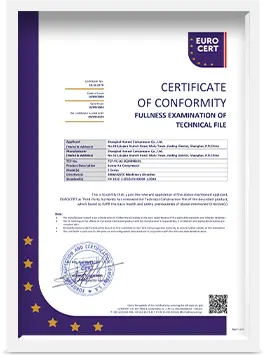
Featured Industrial Compressors & Vacuum Systems
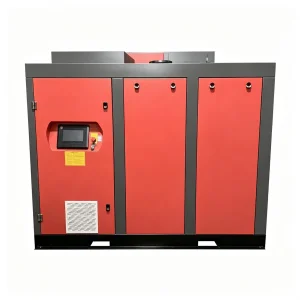
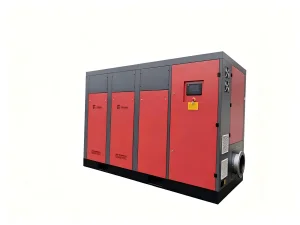
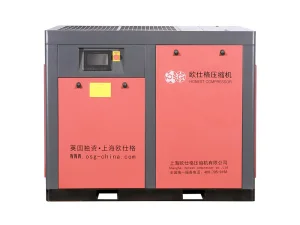
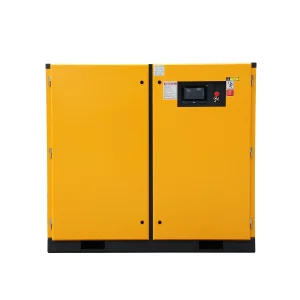
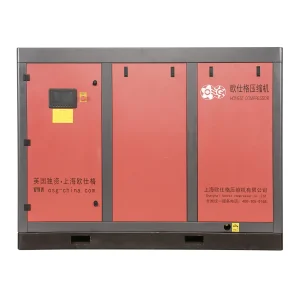
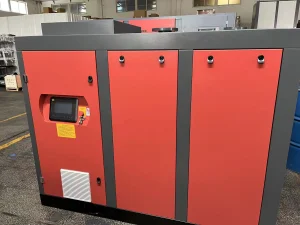
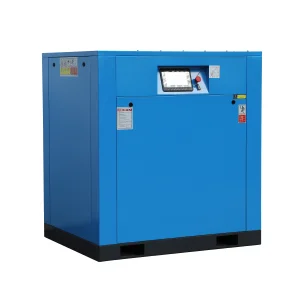
High-efficiency rotary screw compressors, oil-free vacuum pumps, and permanent magnet VFD air systems engineered for integrated desiccant air treatment matching Class 0 purity specs.

Adsorption Technology & Atmospheric Moisture Mitigation in Industrial Air Systems
In high-stakes industrial manufacturing—spanning microelectronics fabrication, sterile pharmaceutical compounding, automated laser cutting, and precision food packaging—compressed air is recognized not merely as a utility, but as a direct process component. When ambient air is inducted into a rotary screw or centrifugal air compressor, it undergoes isotropic pressure elevation, drastically increasing the partial pressure of atmospheric water vapor. Left untreated, water vapor condenses into liquid bulk water, forming corrosive chemical sludges with carrying compressor oil lubricants, degrading downstream pneumatic actuators, and introducing catastrophic microbial contamination into production lines.
While standard refrigerated air dryers lower the pressure dew point (PDP) to approximately +3°C to +5°C (sufficient for general shop air), process-critical applications demand sub-zero pressure dew points ranging from -40°C to -70°C PDP. Achieving this level of dryness requires regenerative desiccant compressed air dryers (adsorption dryers) using porous solid desiccant media such as high-purity Activated Alumina, Silica Gel, and Synthetic Molecular Sieves (3A, 4A, and 13X profile structures).
Information Gain Insight: Selecting between Heatless Regenerative Desiccant Dryers (PSA), Heat-Reactivated Dryers (TSA), Blower-Purge Dryers, and Heat-of-Compression (HOC) systems is fundamentally a trade-off between Initial Capital Expenditure (CAPEX) and 10-Year Operational Energy Costs (OPEX). While heatless desiccant dryers consume 14% to 15% of total compressed air volume for purge regeneration, advanced zero-purge blower systems reduce energy overhead to under 2%, delivering complete payback within 18 months in large-scale air plants exceeding 30 m³/min capacities.
Pressure Swing Adsorption (PSA)
Utilizes dual-tower pressure differentials. While Tower A adsorbs moisture at system pressure (7-10 bar), Tower B depressurizes to ambient pressure, expanding a fraction of dried air to sweep vapor out of the desiccant matrix.
Thermal Temperature Swing (TSA)
Employs external electric heat exchangers or steam coils to heat ambient or low-volume purge air to 180°C–220°C, breaking the physical adsorption bonds without sacrificing significant compressed air volume.
Heat-of-Compression (HOC)
Captures hot discharge air directly from oil-free screw or centrifugal compressor stages (140°C–180°C) to desorb moisture, achieving true zero-purge loss with ultra-minimal specific power consumption.
Desiccant Regeneration Technologies: Performance Matrix
A comparative engineering overview for procurement officers, system integrators, and plant engineers evaluating OEM equipment specifications.
| Dryer Architecture Type | Achievable PDP (°C) | Average Purge Air Loss (%) | Energy Source for Desorption | CAPEX Index | OPEX Index (10-Yr) | Ideal Application Profile |
|---|---|---|---|---|---|---|
| Heatless Regenerative (PSA) | -40°C to -70°C | 14% – 15% | Compressed Air Pressure Expansion | Low (1.0x) | High (3.5x) | Flows < 15 m³/min, hazardous environments, low capital budgets. |
| Heated Purge Regenerative | -40°C to -70°C | 5% – 7% | Electric Heater + Expanded Air | Medium (1.8x) | Medium (2.0x) | Medium plant flows (15–40 m³/min), stable operating duty cycles. |
| Externally Heated Blower Purge | -40°C to -70°C | 0% – 2% (With Zero Purge Option) | Centrifugal Blower + Electric Heater | High (2.5x) | Low (1.2x) | Continuous heavy duty (>40 m³/min), high energy-cost regions. |
| Heat of Compression (HOC) | -20°C to -40°C | 0% (Full Recovery) | Compressive Thermal Heat Recovery | Premium (3.2x) | Lowest (0.8x) | Large oil-free screw/centrifugal installations, greenfield facilities. |
Desiccant Adsorption Thermodynamics & Media Physics
The core of an OEM desiccant dryer lies in the hydrodynamic bed dynamic. Moisture adsorption on activated alumina (Al₂O₃) occurs via van der Waals forces across a massive microscopic surface area (typically 300 to 350 m²/g). Moisture vapor molecules are held within capillary pores until local thermodynamic equilibrium is achieved.
When selecting OEM desiccant dryer configurations, proper desiccant bed sizing must account for the Air Mass Velocity (AMV), Contact Time (typically >4.5 seconds), and Bed Fluidization Limits. High-velocity air currents cause desiccant attrition—grinding beads into fine dust that clogs downstream particulate filters. OEM factories in China, such as Shanghai Honest Compressor Co., Ltd., utilize advanced computerized CFD modeling to optimize vessel diffuser internal manifolds, eliminating localized channeling and extending desiccant bead life beyond 5 years of continuous operation.
China Supply Chain Advantages & OEM Industrial Integration
Unrivaled manufacturing scalability, vertical component integration, and rapid engineering customization for global brand owners and distributors.
Vertical Pressure Vessel Fabrication
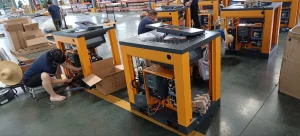
Chinese OEM manufacturing clusters integrate state-of-the-art robotic submerged arc welding (SAW), automated shot-peening, and internal epoxy coating lines directly adjacent to assembly plants, reducing vessel procurement lead times by up to 60%.
Smart Control System Customization
OEM solutions feature pre-integrated Siemens, Schneider, or custom IoT PLC controllers with multi-language HMI touchscreens. Real-time dew point tracking, auto-dew point switching (DDS), and MODBUS/Profibus protocols come standard.
Strict Quality & Helium Leak Testing
100% of manufactured pressure vessels undergo hydrostatic pressure verification at 1.5x design pressure, paired with mass-spectrometer helium leak testing to guarantee air-tight performance under high-pressure gas duties up to 40 bar.
By leveraging Shanghai's mature industrial ecosystem, premier Chinese manufacturers bring together high-grade raw stainless steel and carbon steel sourcing, precision directional valve manufacturing (such as high-durability angle seat valves and zero-loss pneumatic shuttles), and standardized electrical cabinet panel building under one roof. This allows global partners to order tailored OEM skid packages—combining rotary screw compressors, oil-free water-lubricated units, pre-filter/after-filter assemblies, and desiccant dryers—with unified warranty backings and reduced ocean freight logistics footprints.
International Pressure Vessel Certifications & Local Compliance
Navigating global regulatory frameworks, local engineering approvals, and factory acceptance testing (FAT) for cross-border industrial procurement.
ASME Section VIII Div 1
Full design compliance with American Society of Mechanical Engineers code for North American installations, complete with U-Stamp registration, National Board (NB) numbers, and certified material test reports (MTRs).
CE / PED (2014/68/EU)
Pressure Equipment Directive approval for European Union markets, including Module B+D design appraisals, CE marking, safety valve overpressure protection, and sound engineering practices (SEP).
CRN, EAC & SQL Certifications
Registration for Canadian Provinces (CRN), Eurasian Customs Union (EAC TR CU 032/2013), and China Special Equipment License (TSG/SQL) for global multi-site plant standardization.
Localized Service Networks & Spare Parts Assurance
A primary concern for international enterprise buyers is the availability of localized warranty support and maintenance consumables. Established OEM manufacturers build global service frameworks providing:
- Consumable Kits: Pre-packaged 2-year maintenance kits including replacement desiccant bags (4mm/8mm Activated Alumina, 13X Molecular Sieve), internal mufflers, valve rebuild kits, and high-efficiency pre-filter elements.
- Field Service & Commissioning: Remote augmented reality (AR) commissioning assistance, coupled with local regional service partner technicians in North America, Europe, Southeast Asia, and the Middle East.
- Factory Acceptance Testing (FAT): Digital remote FAT streaming allowing EPC contractors to verify pressure hold tests, dew point performance curves, and electrical PLC responses live prior to export container loading.
Sector-Specific Air Quality Scenarios & ISO 8573-1 Matching
Discover how custom OEM desiccant dryers deliver targeted pressure dew points across cleanrooms, high-pressure cutting lines, and sterile production plants.
Semiconductor & Electronics Fabrication
Requirement: ISO 8573-1 Class 1.1.1 (-70°C PDP, zero oil, zero particulates >0.1µm).
Extremely dry air prevents oxidation during wafer purging, lithography lens cooling, and surface-mount technology (SMT) pneumatic picking.
Pharmaceutical & Medical Breathing Air
Requirement: ISO 8573-1 Class 1.2.1 (-40°C PDP, sterile bacterial filtration).
Delivers moisture-free air for fluid bed drying, pill coating, tube filling, and central hospital compressed air distribution without risk of biological growth.
High-Pressure Laser Cutting (16-40 Bar)
Requirement: ISO 8573-1 Class 1.2.0 (-40°C PDP at high operational pressure).
Assist gas air lines require total dryness to ensure clear optics lenses, eliminate burrs during stainless steel sheet cutting, and protect expensive cutting heads.
Food Processing & Pneumatic Conveying
Requirement: ISO 8573-1 Class 1.2.1 (-40°C PDP).
Prevents powdered food products (milk powder, flour, sugar, starch) from clumping during pneumatic transport, maintaining product flow and HACCP hygiene standards.
Automotive Robotic Spray Painting
Requirement: ISO 8573-1 Class 1.2.1 (-40°C PDP, silicone-free execution).
Eliminates fisheyes, blistering, and adhesion failures in metallic automotive paints by removing microscopic moisture droplets from paint atomization nozzles.
Offshore Oil & Gas Platforms
Requirement: ATEX / IECEx Zone 1/2 hazardous area rating, explosion-proof electrical enclosures, NACE-compliant anti-corrosive marine paint finishes for extreme salt-spray environments.
Emerging Trends in Desiccant Compressed Air Treatment
Key technological transformations driving energy optimization, smart diagnostics, and net-zero carbon footprints across modern industrial compressed air installations.
Dew Point Dependent Switching (DDS)
Traditional dryers operate on fixed timer cycles (e.g., 10-minute bed switches), wasting purge air even under partial loading. Smart DDS monitors actual outlet dew point, extending drying cycles during low-moisture loads and reducing purge energy usage by up to 50%.
Zero-Purge Heat-of-Compression (HOC)
As global electricity tariffs rise, zero-purge HOC systems are replacing standard heatless units in large plants. By recycling heat generated by oil-free compressors, facilities cut hundreds of thousands of kilowatt-hours annually.
AI Predictive Maintenance & Cloud Telemetry
Modern OEM desiccant dryers feature IoT edge devices monitoring differential pressure drops across vessels, desiccant degradation rates, and heater element health, predicting maintenance windows before unexpected downtime occurs.
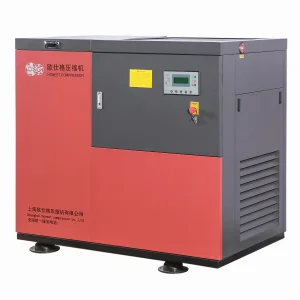
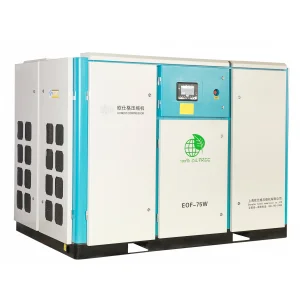
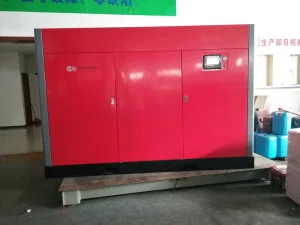
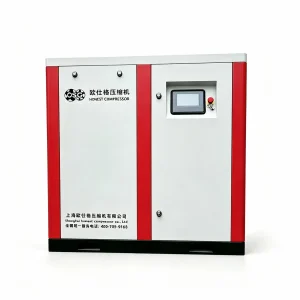
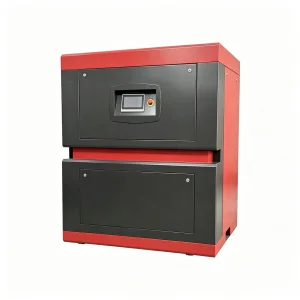
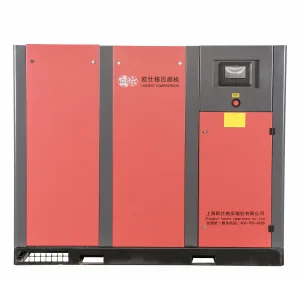
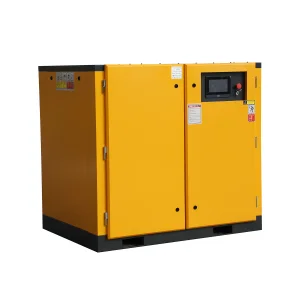
Heavy Industrial Air Compressors & Specialized Equipment
Explore our complete catalog of oil-free dry type compressors, high-pressure laser cutting units, and energy-saving two-stage rotary screw systems.
Frequently Asked Technical Questions (FAQ)
Detailed answers to essential engineering, sizing, maintenance, and procurement questions regarding OEM desiccant compressed air dryers.
What is the main operational difference between a refrigerated air dryer and a desiccant air dryer?
How much purge air does a heatless desiccant dryer consume, and how can it be minimized?
Which desiccant material is recommended: Activated Alumina, Silica Gel, or Molecular Sieve?
Why is pre-filtration critical upstream of a desiccant air dryer?
Can OEM desiccant dryers be customized for outdoor, marine, or corrosive ambient environments?
What documentation is delivered with an OEM export contract?
Partner with China's Premier OEM Compressed Air System Manufacturer
Whether you require standard OEM desiccant dryer skids, custom ASME/PED pressure vessels, or fully integrated Class 0 oil-free screw compressor systems, our engineering team in Shanghai is ready to support your project from drawing board to final factory acceptance test.