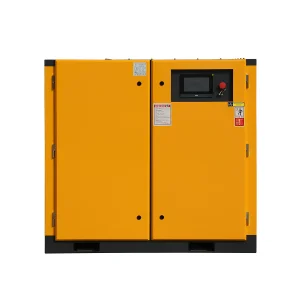
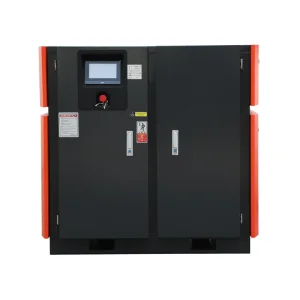
Featured Industrial Systems
High-Capacity Rotary Screw Compressors Ready for Global Dispatch
Discover our primary export configurations engineered for high volumetric output, ultra-low specific energy consumption (SER), and relentless 24/7 industrial duty across 50+ international territories.
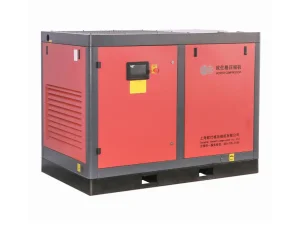
OEM Energy Saving Air Cooling Screw Compressor Two Stage Direct Driven Screw Air Compressor Manufacturers, Exporters

ODM Industrial Oil Free Vsd Screw air Blower Vacuum Pump with Plc Inverter Pm Motor Factories, Exporters
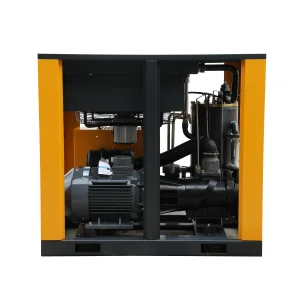
OEM 22kW 30HP Variable Speed Rotary Screw Compressor Factories, Exporter
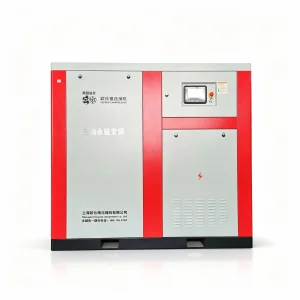
China Oil-Free Water Lubricated Screw Air Compressor EOWV-45A/W Suppliers, Exporter
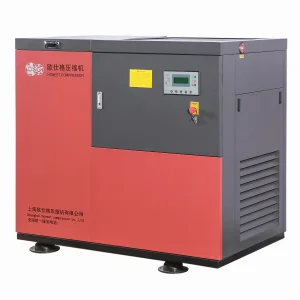
China 20bar pressure Screw Air Compressor for laser cutting machine Supplier, Suppliers
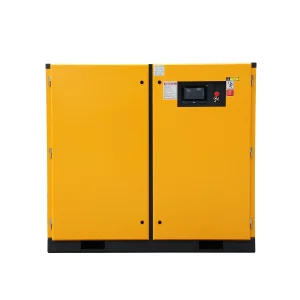
China Low Noise Industrial High Efficiency 10HP 15HP 20HP 30HP 100HP Rotary Pm VSD Screw Type Air Compressor Factory, Exporter
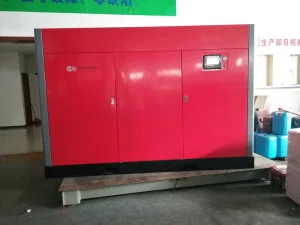
China Smart energy saving water lubricating 100% oil free screw air compressor with fixed speed or VSDPM Manufacturers, Exporter
Thermodynamic White Paper
Engineering Principles of Industrial Rotary Screw Systems
Rotary twin-screw air compressors represent the critical utility backbone of contemporary discrete manufacturing, process plants, and automated pneumatic infrastructure. Unlike reciprocating piston units that operate through discontinuous cyclic compression, rotary twin-screw compressors utilize continuous positive-displacement helical meshing. The compression chamber is formed by intermeshing male (convex lobe) and female (concave fluted) helical rotors configured along parallel axes.
As the male rotor drives the conjugate female rotor, ambient atmospheric air is aspirated axially through the intake port into the progressive inter-lobe volume. Continued rotational translation steadily reduces the inter-tooth helical chamber cavity, raising fluid density and pressure in strict compliance with polytropic compression thermodynamics ($P \cdot V^n = C$). Just before full tooth conjugate re-engagement, the compressed gaseous charge reaches the engineered discharge port geometry, delivering a pulsation-free, continuous mass flow into the primary air-oil separation system.
Shanghai Honest Compressor Co., Ltd. (founded 2004, British-owned pedigree) engineers these aerodynamic rotor profiles with advanced 5:6 asymmetric tooth geometry. This profile reduces internal blow-hole blowby leakage by over 38% compared to conventional symmetric or older 4:6 profiles, radically diminishing specific energy consumption (SER) down to Tier-1 international benchmarks.
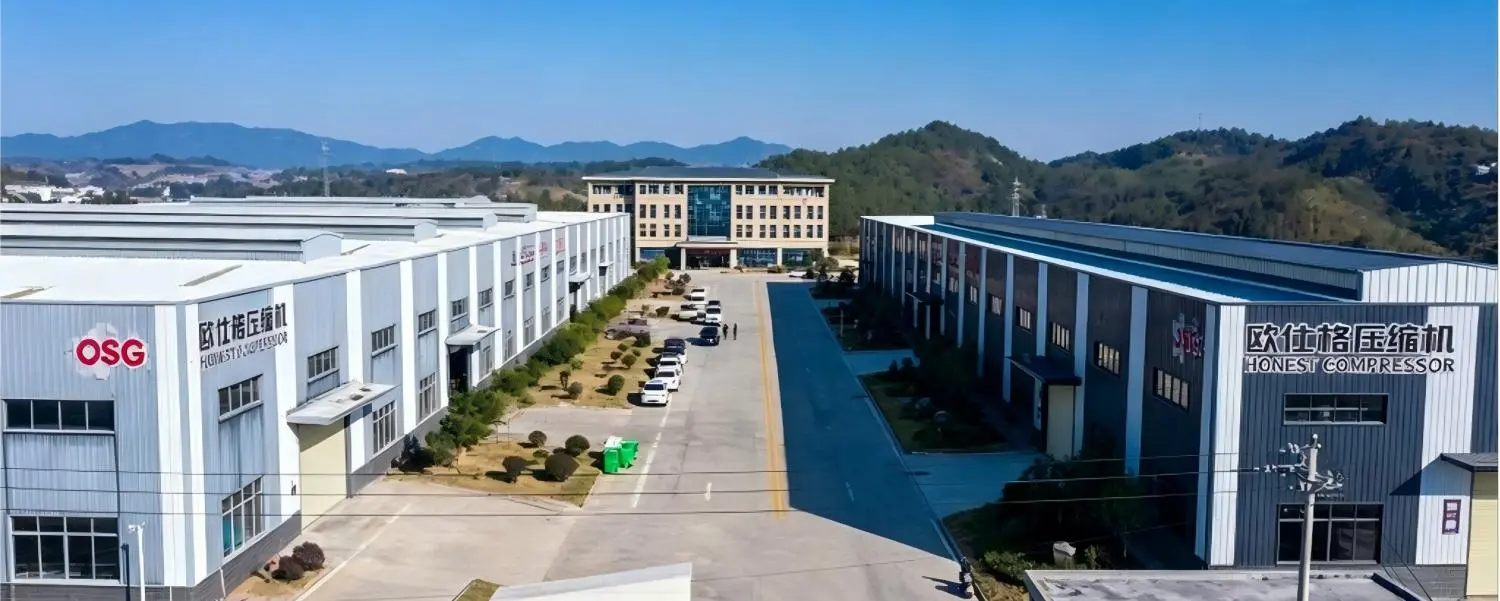
20+ Years
R&D and Manufacturing Pedigree
50,000 m²
Shanghai Modern Production Base
40% Energy
Max Savings with PM-VSD Drives
50+ Markets
Direct Global Export Footprint
Class 0
ISO 8573-1 Certified Oil-Free Air
System Taxonomy & Classifications
Industrial Rotary Compressor Types & Aerodynamic Topology
Navigating compressor procurement requires categorizing machines by fluid medium, compression staging, drive topology, and air-purity delivery. Below is an exhaustive breakdown of core rotary architecture designed for global plant managers.
Single-Stage Oil-Injected Screw
The universal workhorse for manufacturing automation, mechanical workshops, and general factory air. Synthetic lubricating oil is continuously injected into the rotor chamber, fulfilling three critical simultaneous thermodynamic functions: sealing micro-clearances between male/female rotors, absorbing thermodynamic heat of polytropic compression, and lubricating the hydrodynamic roller bearings.
- Pressure range: 7.0 to 13.0 Bar (g)
- Residual oil content: < 2-3 ppm (w/ filtration)
- Lowest capital investment (CapEx) per m³/min
Two-Stage Direct-Driven Screw
Two-stage rotary screw configurations split the total pressure ratio between two discrete airends in series. By inserting an interstage cooling curtain between the low-pressure and high-pressure rotor sets, the compression process shifts toward isothermal compression ($P \cdot V = C$). This eliminates extreme thermodynamic heating, reduces internal rotor thermal expansion stress, and achieves 12% to 18% energy savings.
- Pressure ratio distributed evenly: $\Pi_1 \approx \Pi_2 \approx \sqrt{\Pi_{total}}$
- Bearings endure drastically reduced axial loads
- Optimal for continuous base loads (> 55 kW to 315 kW)
Permanent Magnet VFD (PM-VSD)
Standard fixed-speed compressors operate in crude Load/Unload regimes, wasting up to 45% of full-load electrical power while spinning unproductively during zero-air idle cycles. Permanent Magnet Synchronous Motors (PMSM) equipped with closed-loop Variable Frequency Drives modulate rotor angular velocity in real-time, matching free air delivery precisely to plant consumption fluctuations.
- IE4 / IE5 ultra-premium motor efficiency rating
- Dynamic pressure stabilization within ±0.01 MPa
- Zero inrush current spikes (soft-starting profile)
Water-Lubricated 100% Oil-Free
Engineered for high-purity medical, pharmaceutical, microelectronic, and food-packaging processing. Purified, demineralized water replaces hydrocarbon oil as the sealing, lubricating, and cooling fluid. Water provides exceptional specific heat capacity ($4.184\ J/g^\circ C$), keeping the rotor chamber below 50°C for nearly ideal isothermal thermodynamic efficiency with zero risk of aerosol oil contamination.
- ISO 8573-1 Class 0 Certified Oil-Free Purity
- Stainless steel or polymer composite rotors
- No hazardous lubricant disposal compliance fees
Dry-Type Two-Stage Oil-Free (EOF)
Dry-type oil-free screw compressors utilize external precision timing gears that synchronize male and female rotors without contact or liquid inside the compression pocket. Rotors are coated with proprietary ultra-durable fluoropolymer or molybdenum disulfide films. Dual vented mechanical labyrinth seal chambers isolate the bearing oil sump from the gas chamber, making hydrocarbon ingress physically impossible.
- Eliminates process line filter fouling completely
- Interstage air-cooling drops intermediate dew point
- Built for critical continuous heavy process uptime
Integrated 4-in-1 Compact Skids
Designed for automated fabrication cells, laser cutting workshops, and facilities constrained by floor space. Integrates a PM-VFD rotary screw compressor, an ASME-certified pressure receiver vessel, a high-efficiency refrigerated air dryer, and multi-stage particulate/coalescing filtration into a compact modular enclosure. Delivered plug-and-play, eliminating inter-connecting pipework engineering on site.
- Pressure dew point: +3°C with 0.01 µm particle purity
- Explosion-proof Ex d IIB / IIC ratings available
- Reduces plant installation time and labor by 80%
| Compressor Typology | Typical Pressure (Bar) | Air Quality (ISO 8573-1) | Specific Power (kW/m³/min) | Ideal Application Profile | Capital Cost vs Life-cycle ROI |
|---|---|---|---|---|---|
| Single-Stage Oil-Injected PM | 7.0 – 10.0 Bar | Class 2.4.2 (with filters) | 6.8 – 7.4 kW | General industrial, automotive, CNC machining | Lowest Initial CapEx |
| Two-Stage Direct-Drive PM | 7.0 – 13.0 Bar | Class 2.4.2 (with filters) | 5.9 – 6.4 kW | Chemical manufacturing, cement, 24/7 base load | Fastest ROI (< 14 months) |
| Water-Lubricated Oil-Free | 7.0 – 10.5 Bar | Class 0 (100% Hydrocarbon Free) | 6.4 – 7.1 kW | Beverage bottling, pharma cleanrooms, spray painting | Zero Oil Disinfection Costs |
| Dry Two-Stage Oil-Free (EOF) | 3.5 – 10.5 Bar | Class 0 (100% Dry Pocket) | 7.2 – 8.1 kW | Semiconductor foundries, chemical synthesis | Premium Process Protection |
| High-Pressure 4-in-1 Laser Unit | 16.0 – 20.0 Bar | Class 1.2.1 (Dry & Oil-Mist Free) | 8.2 – 9.1 kW | High-speed sheet metal fiber laser cutting | Replaces High-Cost Nitrogen |
Enterprise Financial Engineering
Total Cost of Ownership (TCO) & Energy Economics
Procurement officers often focus on equipment purchase prices. In compressed air engineering, capital acquisition represents merely a minor fraction of lifetime operational cash flow.
76% Electricity (OpEx)
Over a standard 10-year operating horizon (running 6,000 to 8,000 hours annually), electrical utility power consumes 75% to 80% of total expenditure. Sizing a machine with a 0.5 kW/m³/min lower SER generates hundreds of thousands of dollars in cumulative savings.
12% Capital Cost (CapEx)
The upfront purchase price of the machine, shipping crates, and port clearance accounts for only 10% to 12% of lifetime cost. Selecting cheaper, low-efficiency equipment creates an ongoing operational penalty in daily utility billing.
12% Maintenance & Parts
Consumables such as spin-on oil filters, air-oil separators, air intake cartridges, and synthetic polyalphaolefin (PAO) lubricants require scheduled service intervals at 2,000, 4,000, and 8,000 operating hours to protect rotor clearances.
Zero Unplanned Downtime
The hidden cost in manufacturing is process disruption. An air pressure drop across automated lines can halt pneumatic actuators, robotics, and stamping presses. Redundancy design (N+1) and reliable hardware safeguard production continuity.
Global Sector Deployments
Macro-Industry Engineering Customized Air Solutions
No two industrial manufacturing lines share the same air quality, pressure envelope, or continuous duty profile. Honest Compressor tailors systems to the technical demands of varied operating environments.
Automotive Body & Assembly
Modern automotive body-in-white (BIW) robotic welding cells and spray-painting booths demand dry, constant-pressure air. Paint finishing requires silicone-free, aerosol-free air to prevent surface craters and adhesion defects. Honest Compressor's water-lubricated and PM-VFD systems provide the continuous output needed for 24-hour plant operations.
- Eliminates painting defects with Class 0 purity
- Handles pneumatic robot arm pressure swings
High-Precision Fiber Laser Cutting
Metal fabricators cutting stainless steel, carbon steel, and aluminum are replacing bottled nitrogen with high-pressure dry compressed air. Cutting at 16 to 20 Bar with dry, oil-free air produces dross-free edges on 1mm to 12mm plate at a fraction of the cost of delivered nitrogen gas cylinders.
- Integrated 20 Bar boost with refrigerated dryer
- Saves up to 70% compared to liquid nitrogen
Pharma & Biological Synthesis
In fermentation aeration, pill blistering, powder conveying, and cleanroom instrumentation, compressed air comes into direct contact with finished medication. Class 0 oil-free certifications per ISO 8573-1 protect against product contamination, product recalls, and regulatory citations.
- Tested and certified zero oil carryover
- Stainless steel wetted internal piping options
Chemical & Petrochemical Hazardous Zones
Refineries, solvent processing plants, and grain silos operate in volatile atmospheres classified under IECEx and ATEX standards. Honest Compressor engineers explosion-proof skid assemblies with Ex d IIB and IIC ratings, anti-spark components, and armored cabling to keep dangerous environments safe.
- Explosion-proof electrical enclosures & junction boxes
- Certified for Zone 1 / 2 and Zone 21 / 22 environments
Wastewater Aeration & Flotation
Biological treatment basins rely on steady aeration to sustain microbial digestion. Standard 7-bar compressors throttled down to low pressures waste substantial energy. Our oil-free rotary screw blowers operate in the 0.3 to 1.5 bar range, using 30% less power than older Roots-style positive-displacement blowers.
- Internal compression rotor profile avoids backflow
- Significantly lower discharge temperatures
Industrial Vacuum Packaging & Degassing
In composite molding, thermoforming, CNC wood hold-down tables, and food preservation, rotary screw vacuum pumps are replacing traditional oil-sealed sliding vane units. Screw vacuum systems reach deep vacuum levels down to 0.35 mbar, run cooler, and extend service maintenance intervals.
- Handles process moisture without emulsifying oil
- Variable-speed frequency drive matches pumping curves
In-House Manufacturing Excellence
Five-Stage Manufacturing & Validation Architecture
From metallurgical raw casting to dynamic coordinate measurement and full-load factory acceptance testing (FAT), every production stage is managed in-house at our Shanghai facility.
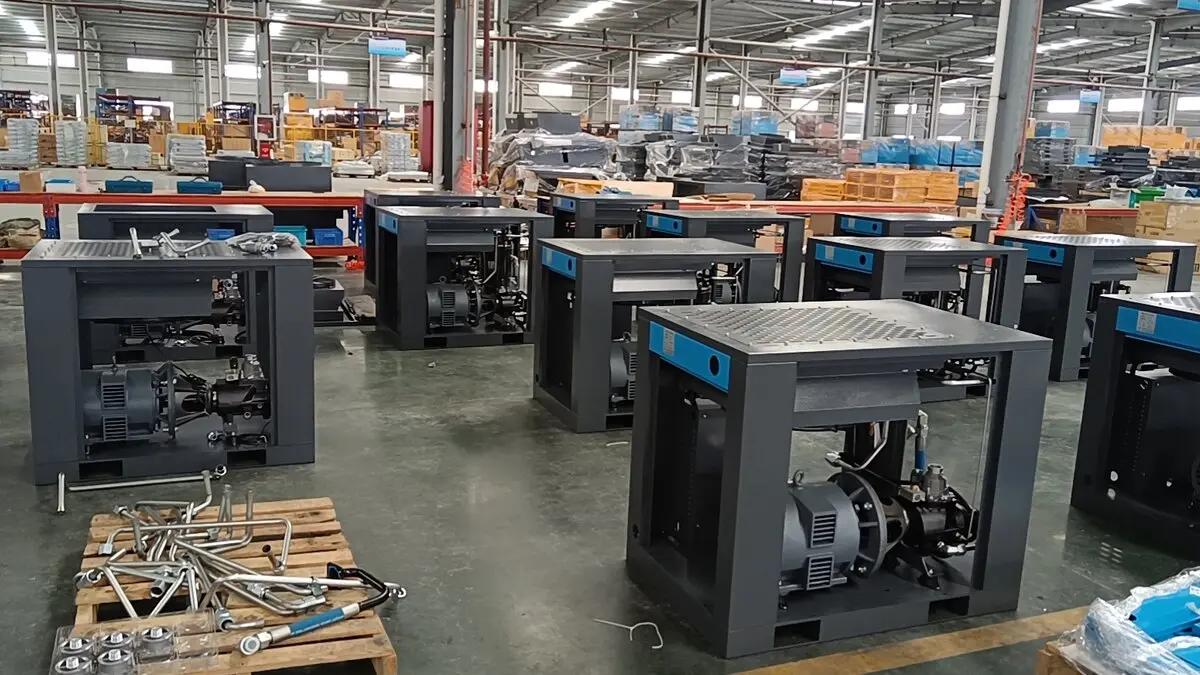
Stage 01
Precision Casting & Metallurgical QC
High-grade ductile gray iron casings undergo ultrasonic testing to verify zero subsurface porosity before precision boring and machining begin.
Stage 02
5-Axis CNC Rotor Milling
Rotor profiles are machined using multi-axis grinders to achieve micron-level conjugate clearances that reduce inter-lobe air leakage.
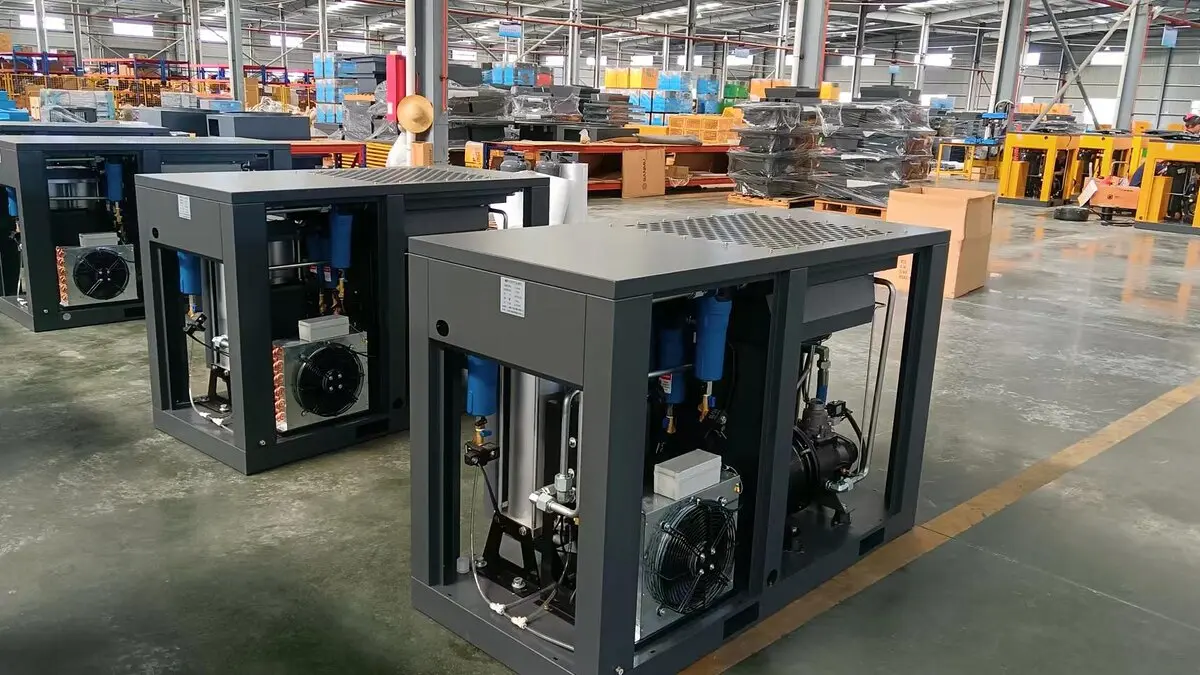
Stage 03
Dynamic Balancing & CMM
Rotating assemblies are dynamically balanced to ISO 1940 G2.5 standards to minimize housing vibration, low noise, and bearing wear.
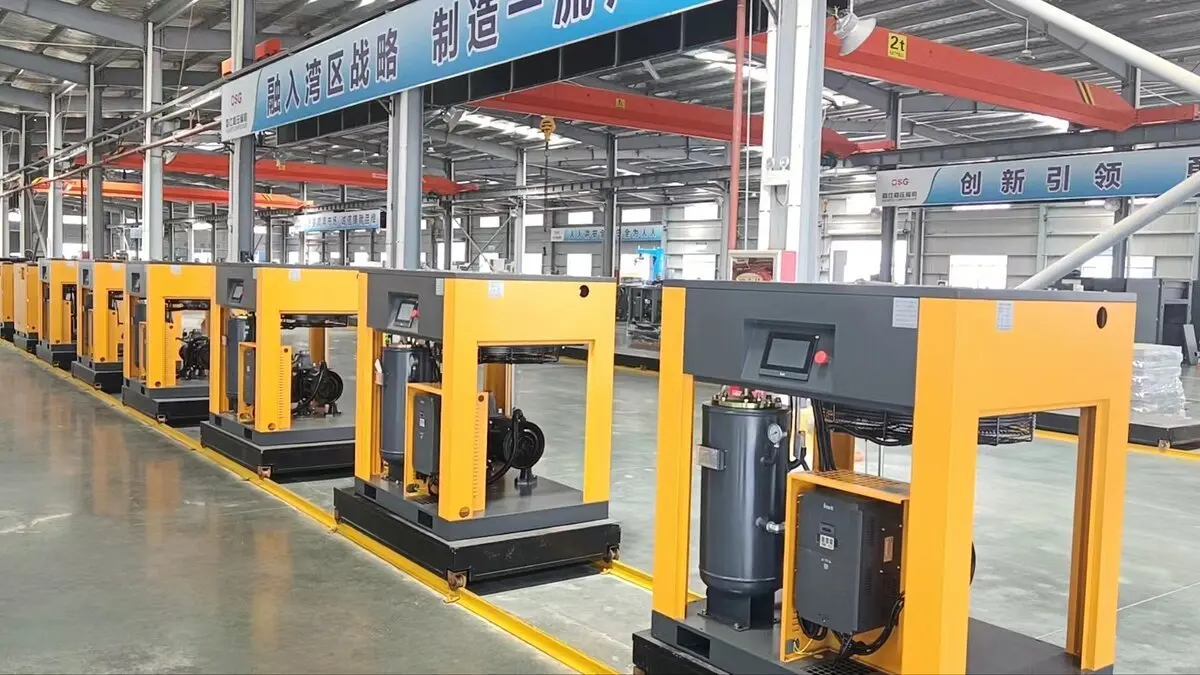
Stage 04
Full-Load Run-In & FAT Testing
Every compressor runs continuously at full operating pressure to verify thermal equilibrium, motor current draw, and vibration profiles before dispatch.
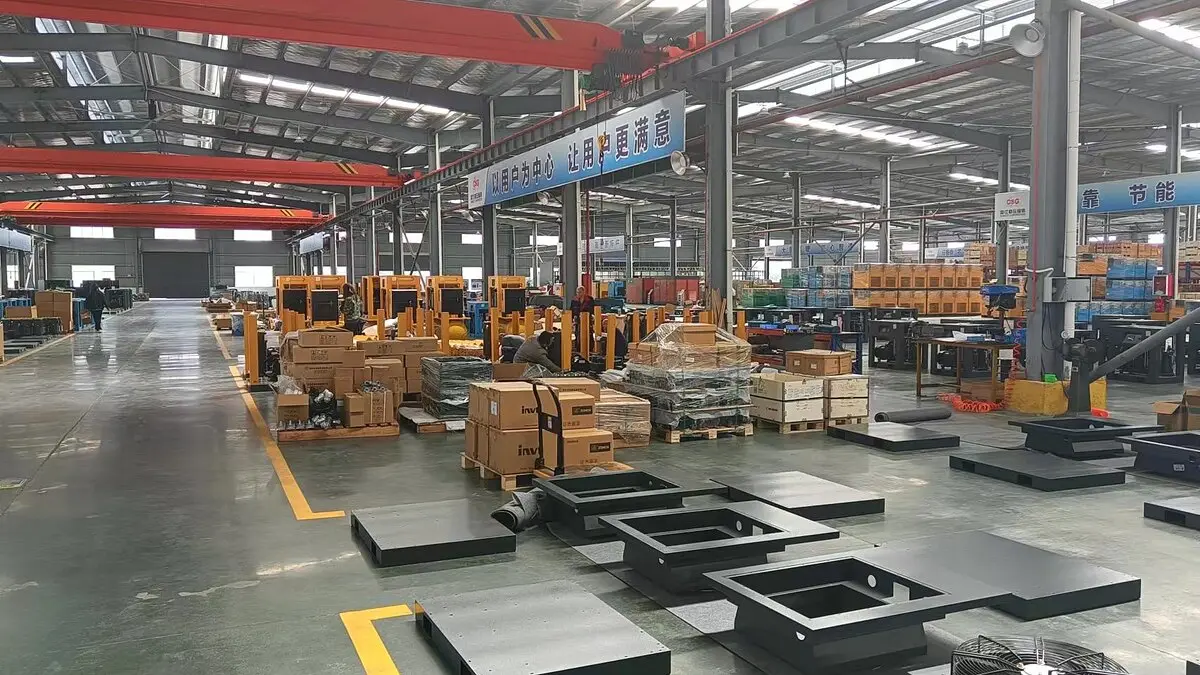
Stage 05
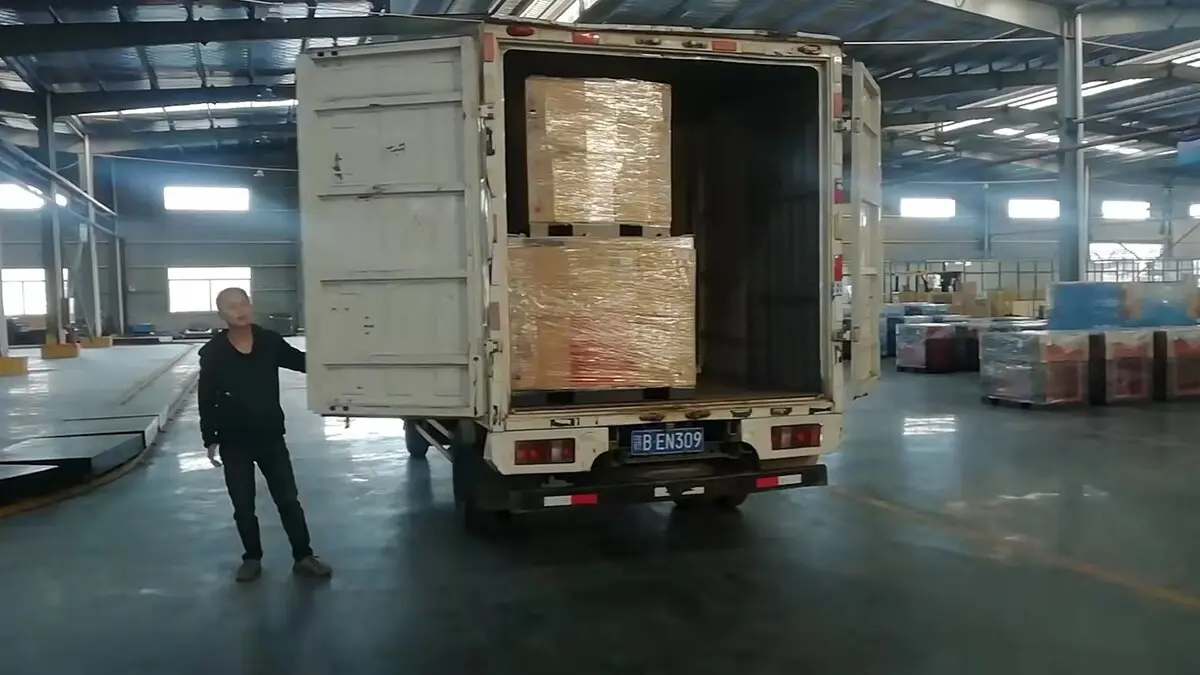
Sealed Packing & Export Crating
Finished units are bagged with vapor-corrosion inhibitors, mounted on heavy structural bases, and crated for overseas containerized freight.
Future Outlook & Technology Roadmap
Smart Pneumatics, IoT Edge Control & Decarbonization
The industrial air compressor sector is evolving from standalone electro-mechanical units into intelligent, connected pneumatic assets. Honest Compressor integrates Industry 4.0 IoT micro-controllers into our complete PM-VFD and two-stage product lines, providing engineering teams with continuous visibility into operating parameters.
Edge micro-processors continuously log rotor bearing temperatures, oil dielectric breakdown resistance, differential filter pressures, motor winding temperatures, and load-to-unload cycle ratios. Modbus RTU, Profinet, and Ethernet/IP protocols interface with central factory SCADA and distributed control systems (DCS). When pressure drops occur, predictive AI algorithms determine whether the cause is downstream pipe leakage or shifting plant demand.
To support corporate net-zero and carbon reduction commitments, Honest Compressor offers modular waste-heat recovery (WHR) retrofits. Up to 85% of electrical energy input can be recaptured from lubricating oil and cooling jackets as hot water (up to 75°C) for boiler feed pre-heating, facility heating, or industrial cleaning processes.
IE5 Synchronous Reluctance Motors
Ultra-premium efficiency PMSM and SynRM motors cut electrical losses across variable-speed operating profiles.
Automated Demand Sequencing
Central master controllers coordinate up to 16 linked units, running base loads on two-stage machines and managing trim with PM-VSD drives.
Integrated Waste Heat Exchangers
Plate heat exchangers capture thermal energy from oil lines to heat plant water supplies, lowering site boiler fuel usage.
Compliance & Export Verification
Certified International Quality For Global Market Access
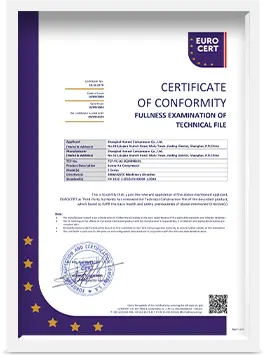
Navigating global industrial equipment compliance requires documented safety and electrical certifications. Every Honest Compressor unit is certified for straightforward import clearance and plant commissioning.
CE Machinery Directive
Fully compliant with European Directives 2006/42/EC (Machinery Safety), 2014/30/EU (EMC), and 2014/68/EU (Pressure Equipment Directive) for deployment across European Union member states.
ASME Pressure Vessel Code
Oil separator sumps and air receivers can be built with ASME Section VIII Division 1 U-stamp approvals, CRN (Canadian Registration Numbers), or MOM certifications for Singapore and Malaysia.
Multi-Voltage Electricals
Electrical control systems are configured at the factory for destination power supplies, including 208V, 220V, 380V, 400V, 415V, 440V, and 480V at both 50Hz and 60Hz with multi-lingual PLC touchscreens.
ISO 8573-1 Class 0 Certified
Water-lubricated and dry-type oil-free units are independently tested and certified to verify zero detectable oil aerosols, vapors, or liquid droplets in the discharge air stream.
Procurement & Technical FAQ
Engineering & Sourcing Frequently Asked Questions
Common technical and commercial questions answered by our application engineering team to support your air system planning.
What thermodynamic factors make two-stage rotary screw compressors more efficient than single-stage units?
Two-stage compressors divide the total compression ratio into two distinct steps. For example, compressing atmospheric air to 8.0 Bar involves a total pressure ratio of roughly 9:1. In a single-stage machine, the rotor must handle this entire pressure jump across a single chamber, generating high discharge temperatures and greater internal air slip back to intake.
A two-stage machine splits the ratio across two stages ($\Pi_1 \approx 3:1$ and $\Pi_2 \approx 3:1$). Injecting a cooling oil curtain between stages reduces the air temperature entering the second stage. This intercooling shifts the compression path toward isothermal compression ($P \cdot V = C$), lowering the overall shaft work required by 12% to 18% compared to single-stage units.
How does a Permanent Magnet Synchronous Motor (PMSM) save energy over standard induction motors with VFDs?
Standard induction motors rely on rotor currents induced by the stator magnetic field, which creates rotor slip and heat losses ($I^2R$ copper losses). While adding a VFD saves energy by avoiding idle cycles, the motor itself still loses efficiency when running at lower speeds (turndown).
Permanent Magnet Synchronous Motors use high-coercivity NdFeB rare-earth magnets embedded in the rotor. The rotor synchronizes directly with the stator's rotating magnetic field with zero rotor slip. PMSM motors maintain IE4/IE5 ultra-premium efficiency curves across an extended speed range (from 20% to 100% rated speed), while direct-drive couplings eliminate the 3% to 5% mechanical losses common in belt-driven systems.
When is water-lubricated oil-free compression preferable to dry-type two-stage screw compression?
Both water-lubricated and dry-type two-stage designs deliver ISO 8573-1 Class 0 oil-free air, but their mechanical systems and maintenance profiles differ:
Water-lubricated compressors use purified water for sealing and cooling. The high heat capacity of water keeps compression chamber temperatures below 50°C for single-stage pressure up to 10 Bar, with lower capital cost than dry-screw units. They are well suited for clean indoor environments such as hospitals, pharmaceutical labs, and food bottling plants.
Dry-type two-stage compressors use coated rotors with synchronizing timing gears and run completely dry inside the air chamber. They carry higher initial costs, but tolerate high ambient operating temperatures and challenging industrial atmospheres where managing water lubrication quality requires more attention.
What parameters are required to size a rotary air compressor for a new facility?
To accurately size a compressed air installation, engineering teams should evaluate the following factors:
1. Volumetric Flow: Total required Free Air Delivery (FAD) in m³/min or CFM, taking into account simultaneous machine usage factors.
2. Operating Pressure: Minimum pressure required at the furthest tool or machine point, adding 0.5 to 1.0 Bar to cover line and filter pressure drops.
3. Air Purity Class: Required ISO 8573-1 quality ratings for particles, moisture pressure dew point (+3°C or -40°C), and residual oil content.
4. Site Conditions: Elevation above sea level, ambient temperature ranges, and electrical service characteristics (voltage, frequency, phase stability).
What custom manufacturing options (OEM/ODM) does Honest Compressor support for international buyers?
We provide full OEM and ODM services for global distributors, machinery builders, and EPC engineering firms. Custom options include:
Dual-voltage control cabinets, local certifications (CE, ASME, CRN, UL/CSA components), customized canopy sheet metal and corporate paint colors, private-label branding, customized PLC logic and interfaces (English, Spanish, French, Russian, Arabic), and skid configurations integrating desiccant dryers, receiver tanks, or nitrogen generators.
Industrial Catalog & Export Models
Explore Specialized Rotary Screw Air & Vacuum Packages
Review our complete range of specialized equipment, including explosion-proof units, two-stage compression skids, dry-type oil-free systems, and industrial rotary vacuum pumps.
OEM Double permanent magnet motor integrated two-stage compression series Supplier, Factory
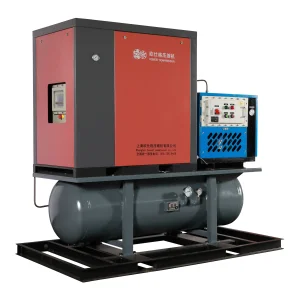
OEM 4-in-1 Explosion-Proof Air Compressor | 7.5-22kW Permanent Magnet Integrated Unit Factory, Exporters
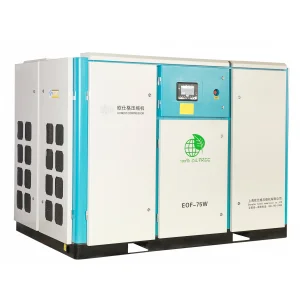
China Honest Compressor -EOF series Oil-Free Dry Type Screw Compressor | 100% Oil-Free PM VFD Manufacturer, Exporter
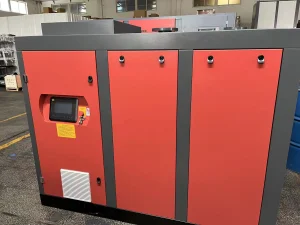
ODM electrical motor PM AC ASD rotary air vaccum pump compressor screw compressor Manufacturer, Manufacturers
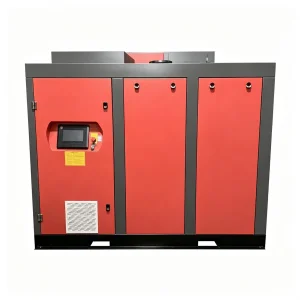
OEM Hot Sale China Factory High Quality Screw Vacuum Pump Permanent Magnet Frequency Conversion Progressive Pump Manufacturers, Factories
OEM Industrial Screw Vacuum Pumps – Oil-Injected (0.35 mbar) & Oil-Free (20–80 kPa) Series, 5.5–110 kW Supplier, Exporter
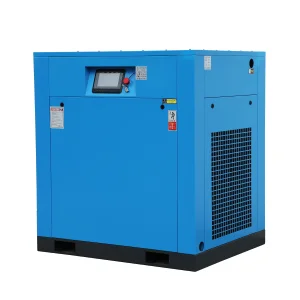
China Permanent Magnet VFD Rotary Screw Compressor 11kW Manufacturer, Manufacturers