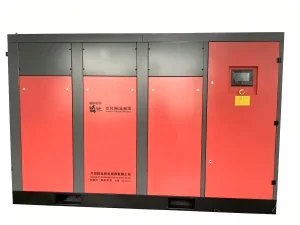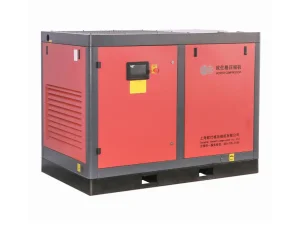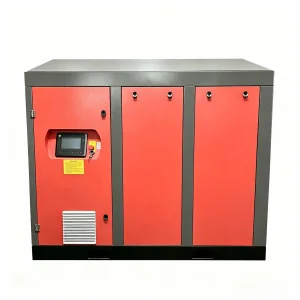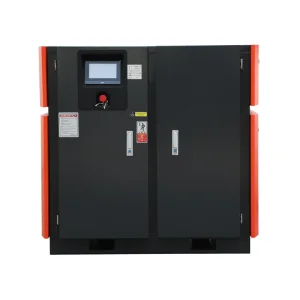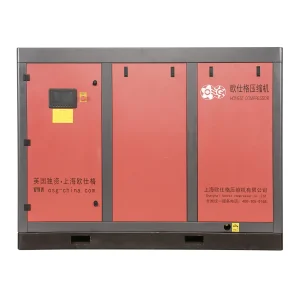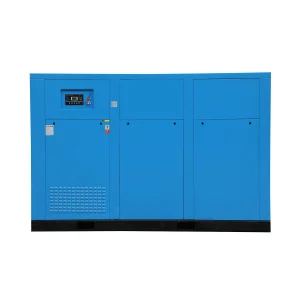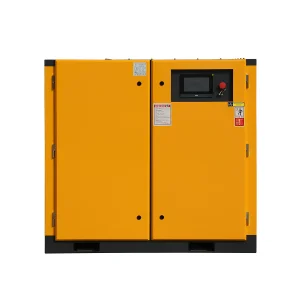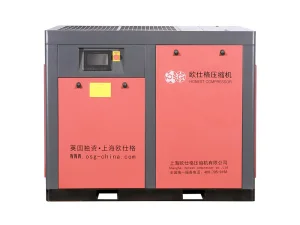
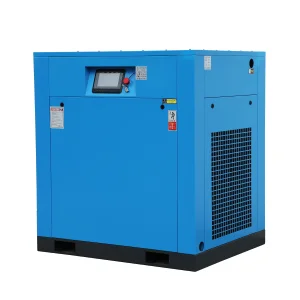
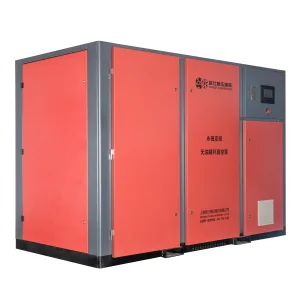
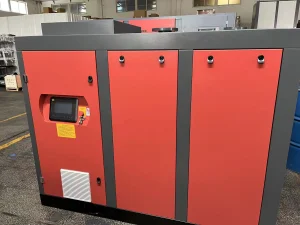
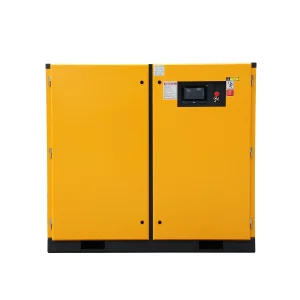
Featured Industrial High CFM Compressors (ODM Lineup)
Explore our high-performance rotary screw compressor lineup engineered for maximum displacement, energy efficiency, and 24/7 continuous industrial duty.
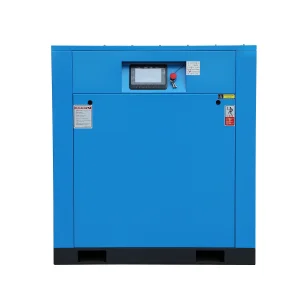
1. Executive Technical Summary: Demystifying High CFM Compression
Understanding volumetric efficiency, Specific Energy Requirements (SER), and airflow dynamics in modern industrial compressed air plants.
In modern industrial engineering, compressed air is universally recognized as the "fourth utility"—powering everything from heavy pneumatic actuators and automated robotic assembly lines to ultra-clean pharmaceutical processing equipment. Within high-demand industrial environments, selecting an ODM High CFM (Cubic Feet per Minute) Air Compressor is not merely a purchasing transaction; it is a long-term capital strategy that dictates facility operational expenditures (OPEX) for decades.
CFM measures the volumetric flow rate of compressed air delivered at a specified working pressure (typically expressed in gauge pressure, bar, or PSI). When evaluating ODM manufacturers and factories in China, international procurement engineers must look beyond nominal horsepower ratings. What truly matters is Free Air Delivery (FAD) measured strictly according to ISO 1217 Annex C/E standards, coupled with the system's Specific Energy Consumption (kW per 100 CFM or kW/(m³/min)).
High CFM air compressors (ranging from 100 CFM to over 2,500 CFM) utilize specialized rotary screw thermodynamics. Unlike reciprocating piston units that deliver pulsating air streams with high mechanical friction, twin-screw compressors compress air continuously through matching male and female rotors. The thermodynamic efficiency depends on rotor profile geometry, interstage cooling efficiency, and internal pressure loss management.
Comparative Technology Matrix: Compressor Architectures
| Architecture Type | CFM Delivery Range | Specific Energy (kW/m³/min) | Primary Industrial Use Case | Lifecycle Cost Profile |
|---|---|---|---|---|
| Single-Stage PM VFD Screw | 50 – 800 CFM | 6.1 – 6.8 kW/(m³/min) | General Manufacturing, Variable Demand | Low Capital Cost / Medium OPEX |
| Two-Stage Direct-Driven Screw | 300 – 2,500 CFM | 5.2 – 5.9 kW/(m³/min) | Continuous Heavy Duty, Base-Load Plants | Optimal TCO / Lowest OPEX |
| Water-Lubricated Oil-Free Screw | 100 – 1,200 CFM | 6.3 – 7.1 kW/(m³/min) | Pharma, Food & Beverage, Electronics | Zero Risk / Low Maintenance |
| Dry Type Two-Stage Oil-Free | 400 – 3,000 CFM | 5.8 – 6.5 kW/(m³/min) | Semiconductor, Petrochemical Processing | High Initial CAPEX / Zero Contamination |
Technical Insight: Why Specific Energy Requirement (SER) is King
Two compressors rated at 75 kW (100 HP) can deliver dramatically different air outputs. A low-tier compressor might yield 420 CFM, whereas an optimized ODM two-stage unit yields 510 CFM at the exact same power draw. Over 8,000 annual operating hours, this 90 CFM difference translates into tens of thousands of dollars in pure electrical savings.
2. China ODM Factory Advantages & Engineering Ecosystem
How Shanghai and China's industrial clusters combine advanced rotor machining, supply chain scale, and flexible ODM customization to lead global markets.
Over the past two decades, China has evolved from a basic machinery assembly hub into a global epicenter of advanced screw compressor manufacturing. Today, leading Chinese Original Design Manufacturers (ODM) combine European aerodynamic rotor design principles with unmatched supply chain integration, state-of-the-art CNC precision machining, and strict quality control frameworks.
5:6 Asymmetric Rotor Grinding
Utilizing high-precision German KAPP grinding machines, ODM factories produce 5:6 tooth ratio rotor profiles that reduce internal blow-by leakage by up to 12% compared to legacy 4:6 profiles.
IE4 / IE5 PM Motor Integration
Direct coupling with oil-cooled Permanent Magnet Synchronous Motors (PMSM) ensures zero slip losses and maintains high motor efficiency even at partial speeds down to 25% load.
Custom Structural & Engineering OEM/ODM
Full flexibility in modifying canopy aesthetics, IP55/IP66 electrical ratings, explosion-proof Ex d IIB/IIC ratings, dual-voltage transformers (380V/400V/415V/460V), and integrated skid designs.
A crucial competitive edge of partnering with a Shanghai-based ODM manufacturer lies in the cluster density of high-tier component suppliers. Premium components such as SKF heavy-duty bearings, Danfoss or Inovance VFD inverters, Siemens electrical contactors, and Hoerbiger inlet valves are seamlessly integrated into custom compressor configurations at direct factory costs.
Furthermore, ODM factories enforce rigorous testing protocols. Before leaving the factory floor, every high CFM compressor undergoes a comprehensive full-load run-in test on computerized testing beds, recording dynamic vibration levels, oil temperature rise, noise emissions, and ISO 1217 volumetric FAD output.
3. Global Industry Trends & Decarbonization Innovations
Examining the macro shift toward zero-carbon manufacturing, smart IoT diagnostics, and ISO 8573-1 Class 0 pure air compliance.
The industrial compressed air market is experiencing a profound transformation driven by global ESG (Environmental, Social, and Governance) mandates, soaring electricity prices, and stringent product purity standards. Procurement managers evaluating ODM high CFM factories must account for four dominant industry trends:
A. Two-Stage Compression Thermodynamic Optimization
For high CFM requirements (500 CFM and above), single-stage compression incurs high compression ratios per stage, causing elevated air temperatures and increased thermal air expansion losses. Two-stage screw air compressors split the total pressure ratio between primary and secondary rotor stages. An interstage oil-curtain or intercooler drops the air temperature before it enters the second stage, approaching isothermal compression. This thermodynamic advantage delivers up to 15% higher airflow per kilowatt than single-stage equivalents.
B. The Rise of Class 0 Oil-Free Water-Lubricated & Dry Systems
Traditional oil-injected compressors use synthetic lubricants for cooling and sealing, relying on multi-stage oil separator filters to keep air contamination below 3 ppm. However, in sensitive industries—such as food processing, pharmaceutical tablet manufacturing, optical lens coating, and semiconductor fabrication—even micro-traces of oil carryover can ruin entire product batches. ODM factories are accelerating production of Class 0 certified oil-free compressors utilizing single-screw water lubrication technology (where pure water acts as the cooling and sealing medium) and dry-type two-stage screw airends with self-lubricating rotor coatings.
C. Smart IoT Integration & Modbus Predictive Maintenance
Modern high CFM compressors are no longer standalone mechanical islands. Advanced ODM units feature touch-screen micro-processor PLC controllers equipped with RS485 interfaces, Modbus RTU communication protocols, and cloud IoT connectivity. Plant engineers can monitor real-time operating parameters—such as discharge pressure, oil pressure, motor frequency, dew point, and filter differential pressure—remotely via web browsers or mobile applications. Predictive maintenance algorithms detect bearing wear signatures and air filter clogging before unexpected downtime occurs.
D. Energy Heat Recovery Systems (HRU)
Approximately 94% of the electrical energy supplied to an air compressor is converted into thermal heat during compression. Forward-thinking ODM factories design compressors pre-fitted with integrated liquid-to-liquid heat exchangers. These heat recovery units capture up to 80-85% of waste heat, producing hot water at 60°C to 80°C for boiler pre-heating, facility space heating, process washing, or sanitary water uses—dramatically reducing overall plant carbon footprints.
4. Localized Application Scenarios & Macro Solutions
Tailored high CFM compressed air system engineering for heavy manufacturing, chemical processing, laser cutting, and municipal engineering.
Heavy Automotive & Machinery Assembly
High CFM base-load compressors supply stable 0.7–0.8 MPa air to drive hundreds of continuous pneumatic nutrunners, robotic clamp arms, stamping presses, and automotive paint booths without pressure drop.
Chemical & Hazardous Refineries
Explosion-proof Ex d IIB T4 / IIC T4 customized ODM compressors with stainless steel piping, remote control cabinets, and dual redundant filtration packages for safe operation in explosive gas zones.
High-Pressure Fiber Laser Cutting
Dedicated 1.6 MPa to 3.5 MPa high-pressure ODM screw compressor skids with integrated refrigerated dryers and 5-stage precision oil-water filters—delivering ultra-dry assist air for clean metal sheet cutting.
Macro Enterprise Solution: Base-Load + VSD Peak-Shaving Architecture
For large-scale industrial parks operating multiple high CFM air compressors, running all machines at fixed speeds causes extreme energy waste during partial demand shifts. Conversely, operating a single massive compressor at low loads reduces motor power factor and efficiency.
The optimal macro solution designed by our ODM application engineers involves a hybrid master-controlled compressor station:
- Base-Load Units: One or two high CFM Two-Stage Fixed-Speed screw compressors operate continuously at 100% capacity to handle the factory's baseline demand with maximum specific efficiency.
- Peak-Shaving Unit: One Permanent Magnet VFD screw compressor acts as the variable speed trim unit, dynamically adjusting motor RPM to absorb fluctuating compressed air consumption without entering energy-wasting load/unload idle cycles.
- Central Master Controller: An intelligent central sequencer balances total running hours, automatically rotates lead/lag machines, and maintains line pressure stability within a narrow ±0.1 bar band.
5. Global Procurement Blueprint & Total Cost of Ownership (TCO)
A structured financial framework for evaluating ODM compressor factory proposals, quality credentials, and long-term lifecycle expenditures.
When global buyers evaluate ODM high CFM air compressor manufacturers in China, relying solely on the upfront purchase price (CAPEX) leads to flawed purchasing decisions. Over a standard 10-year operational life cycle of a heavy-duty industrial air compressor operating 6,000 hours per year, the breakdown of Total Cost of Ownership (TCO) reveals a striking reality:
| TCO Expenditure Component | Percentage of Total 10-Year Lifecycle Cost | Strategic Mitigation Strategy |
|---|---|---|
| Electricity & Energy Costs (OPEX) | 73% – 78% | Select PM VFD motors, two-stage airends, and low pressure-drop air filters. |
| Routine Maintenance & Spare Parts | 12% – 15% | Utilize long-life synthetic oil, high-capacity separators, and standardized filter cartridges. |
| Initial Equipment Acquisition (CAPEX) | 10% – 12% | Partner directly with China ODM factories to bypass intermediary distributor markups. |
Procurement Checklist for Evaluating ODM High CFM Factories
- ISO 1217 FAD Certification: Demand verified test reports proving that flow rates (CFM / m³/min) and specific power consumption (kW/m³/min) are tested under actual pressure conditions, not theoretical displacement calculations.
- Rotor Machining & Housing Precision: Confirm if the ODM factory machines its rotor housings in-house using multi-axis CNC machining centers to ensure precise alignment and longevity of heavy-duty tapered roller bearings.
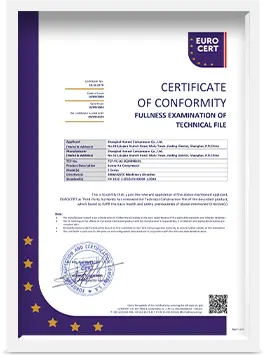
- Electrical & Safety Certification Compliance: Verify that the compressor units carry valid CE marks (Low Voltage Directive 2014/35/EU and EMC Directive 2014/30/EU), UL/CSA compliant electrical components for North American export, and ASME / PED certified pressure vessels.
- Custom Voltage & Frequency Adaptability: Ensure the ODM manufacturer can custom-wire motors and starter cabinets for destination grid standards (e.g., 220V/380V/415V/440V/460V/575V at 50Hz or 60Hz).
- Global Spare Parts Availability: Check that routine consumables (air filters, oil filters, oil separator elements, synthetic lubricants) use standard non-proprietary sizing or are fully supported with localized spare parts kits.
6. Frequently Asked Questions (Technical Knowledge Base)
In-depth engineering answers to common inquiries raised by plant directors, HVAC engineers, and global procurement officers.
Complete High CFM Compressor & Blower ODM Catalog
Browse additional specialized rotary screw air blowers, vacuum pumps, and energy-saving two-stage compressors engineered for global export markets.