Precision Compression & Vacuum Power Units
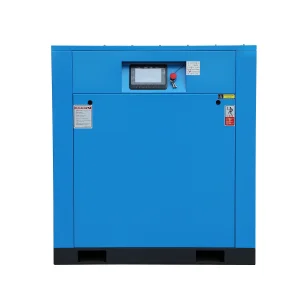
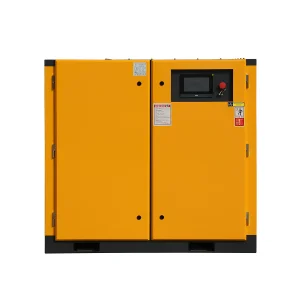
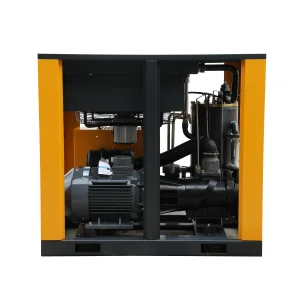
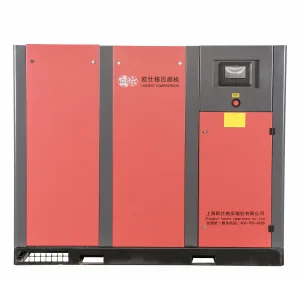
Engineered at our 50,000 m² smart manufacturing plant in Jiading, Shanghai. Fully integrated with customized moisture control interfaces, variable speed drives, and oil-free rotary chambers.
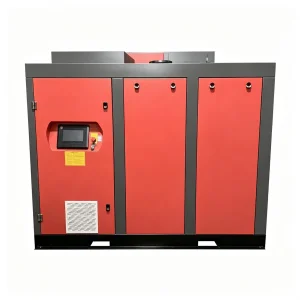
Macro Dynamics in Industrial Compressed Air Dehumidification
Moisture is the primary vector for piping corrosion, pneumatic actuator degradation, and product batch contamination. Modern manufacturing mandates tight thermal control, digital psychrometry, and low-lifecycle-cost air treatment.
Net-Zero & Energy Transition
Traditional heatless desiccant dryers waste up to 15%–20% of rated compressed air mass flow purely for tower purging. Modern ODM procurement focuses on zero-purge Heat-of-Compression (HOC) and blower-reactivated systems, reducing energy overhead to under 3% equivalent compressor shaft power.
- Elimination of parasitic purge air wastage
- Variable Speed Drive (VSD) chilling compressors
- Direct integration with PM motor airends
Sub-Zero Dew Point Demands
Advanced industries—notably lithium-ion battery gigafactories, photovoltaic wafer slicing, and micro-electronics lithography—require extreme drying down to -40°C or -70°C PDP (Pressure Dew Point) to eliminate hydrolytic reactions during dry-room processing.
- Synthetic Zeolite & Activated Alumina beds
- Dew Point Dependent Switching (DDS)
- Dual-chamber continuous counterflow cycles
Industrial IoT & AI Telemetry
The convergence of Industry 4.0 with air quality management. Smart air dryers now feature continuous moisture sensor feedback, cloud diagnostics, predictive desiccant life calculations, and automated refrigerant expansion regulation.
- Real-time RS485 Modbus & Profinet PLC integration
- Predictive desiccant saturation analytics
- Automated condensate drain valve self-cleaning
Engineering Sizing Criteria & ISO 8573-1 Standards
When global EPC contractors and facility directors evaluate ODM air dryer manufacturers, engineering decisions depend on ambient derating factors, inlet thermodynamics, and international purity classifications.
| ISO 8573-1:2010 Class | Pressure Dew Point (°C) | Moisture Vapor Concentration (g/m³) | Recommended Dryer Technology | Target Industrial Application |
|---|---|---|---|---|
| Class 1 | ≤ -70 °C (-94 °F) | 0.003 | Heated Purge / Blower Desiccant (Molecular Sieve) | Lithium Battery Dry Rooms, Semiconductor Fabs |
| Class 2 | ≤ -40 °C (-40 °F) | 0.117 | Twin-Tower Heatless or Heated Desiccant | Pharmaceutical API, Precision Powder Conveying |
| Class 3 | ≤ -20 °C (-4 °F) | 0.88 | Compact Desiccant / Sub-Zero Membrane | Outdoor Arctic Instrument Air, High-Voltage Switchgear |
| Class 4 | ≤ +3 °C (+37.4 °F) | 5.95 | Cycling / Non-Cycling Refrigerated Air Dryer | General Automotive Assembly, Metal Fabrication, CNC |
| Class 5 | ≤ +7 °C (+44.6 °F) | 7.75 | High-Inlet Temperature Refrigerated Dryer | Pneumatic Hoists, Workshop Blast Cleaning |
Inlet Temperature Correction
Compressor discharge air often reaches 45°C to 65°C. Saturated air at 50°C carries approximately 400% more water vapor than saturated air at 25°C. Honest Compressor integrates oversized pre-coolers to stabilize inlet thermodynamics prior to desiccant exposure.
Operating Pressure Dynamic
Higher system pressures compress vapor molecules, facilitating condensation separation. Operating below design pressure (e.g., at 0.5 MPa instead of 0.8 MPa) increases air velocity across the desiccant bed, demanding a larger vessel volume to prevent bed fluidization.
Pressure Drop (ΔP) Economics
Every 0.1 bar of frictional pressure drop across dryer heat exchangers and filter beds forces the upstream compressor to consume approximately 1% more electrical power. Our ODM designs restrict total internal system pressure loss to ≤ 0.15 bar.
Macro-Industry Clean Air Solutions
Every sector presents unique thermodynamic profiles, contamination liabilities, and compliance mandates. Our customized ODM skids integrate dryers, filtration trains, and oil-free rotary systems to solve critical production challenges.
Semiconductor & Optronics
Nanometer-scale microchips tolerate zero chemical or moisture interference. Air systems require ISO 8573-1 Class 1:2:1 compliance, incorporating catalytic hydrocarbon converters and -70°C PDP desiccant drying to protect multi-million-dollar lithography and etching tools.
Pharma & Sterile Biotech
Preventing bacterial proliferation in pneumatic convey lines for tablets and injectable vials. Skids incorporate stainless steel 316L desiccant vessels, clean-in-place sanitary connections, and sterile sub-micron bacterial trapping filters downstream of the drying towers.
Automotive Coating & Robotics
Water-borne paints and electrostatic robotic applicators are susceptible to micro-bubbles, cratering, and fisheyes if trace moisture or silicone exists. Our systems guarantee silicone-free assembly with stable +3°C PDP refrigerated stabilization under dynamic flow fluctuations.
Hazardous & Petrochemical
Refineries and offshore drilling platforms demand Ex d IIB / IIC explosion-proof electrical control boxes, ATEX certification, anti-corrosive offshore Marine C5-M coatings, and dual relief valve configurations for uncompromised plant safety.
Thermodynamic Comparison of Air Dryer Technologies
Selecting the optimal air drying method requires balancing capital expenditure (CAPEX), operating energy consumption (OPEX), and target pressure dew point requirements.
Refrigerated Air Dryers
Operating Principle: Cools compressed air to +3°C using a mechanical refrigeration circuit (R134a/R410A/R513A). Water vapor condenses into liquid droplets and is automatically expelled via zero-loss electronic drains.
- Dew Point: +3°C to +10°C (ISO Class 4-5)
- Purge Air Loss: 0% (Zero compressed air loss)
- Best For: Standard manufacturing, stamping, indoor utilities
- OPEX Level: Very low electrical draw
Heatless Desiccant Dryers
Operating Principle: Pressure Swing Adsorption (PSA). One tower adsorbs water molecules onto activated alumina/molecular sieve while the other regenerates using an expanded dry purge air stream (approx. 14%-18%).
- Dew Point: -40°C to -70°C (ISO Class 1-2)
- Purge Air Loss: 12% – 18% of rated volume
- Best For: Cold climates, pharmaceutical pipelines, electronics
- OPEX Level: High air purge penalty
Blower Purge / Heated Desiccant
Operating Principle: Thermal Swing Adsorption (TSA). Uses an electric heater and ambient centrifugal blower to desorb moisture from the regenerated tower, drastically cutting compressed air purge usage.
- Dew Point: -40°C to -70°C (ISO Class 1-2)
- Purge Air Loss: 0% to 3% minimal air consumption
- Best For: Large continuous flow (>20 m³/min), chemical plants
- OPEX Level: Balanced electrical & air efficiency
Engineering Assurance & Localized Regulatory Compliance
As a British-owned manufacturer headquartered in Malu Town, Jiading District, Shanghai, Honest Compressor ensures all ODM shipments comply with destination import laws, pressure vessel codes, and electrical standards.
Shanghai Honest Compressor Co., Ltd.
Founded in early 2004 under British ownership, our 50,000 m² production site operates 4 specialized production lines staffed by over 100 skilled engineers and assembly technicians. Each manufactured air dryer, twin-screw compressor, and vacuum pump is calibrated to destination project voltages (380V, 400V, 415V, 460V, 575V at 50Hz/60Hz) with full pressure vessel traceability.
Pressure Vessel Codes
Certified to ASME Section VIII Div 1 (U-Stamp), European CE-PED (2014/68/EU), and Canadian CRN registration for pressure boundary safety.
Electrical & Controls
Control enclosures engineered to UL 508A, CSA C22.2, and IEC 60204-1 specifications. Multi-lingual touchscreens configured for destination markets.
Engineering Roadmap & Decarbonization Outlook
Continuous R&D at Honest Compressor targets net-zero operational footprints, self-adjusting adsorption kinetics, and eco-friendly refrigerant transition.
Ultra-Low GWP Refrigerant Retrofits
Transitioning all direct-expansion chillers to HFO blends and natural refrigerants (R513A, R1234ze, R290 Propane) with Global Warming Potential (GWP) < 1, ensuring compliance with the EU F-Gas Regulation and US AIM Act.
AI Psychrometric Regenerative Cycling
Integrating embedded edge computing that adjusts desiccant bed adsorption dwell time in real time based on mass flow sensor data and external ambient humidity, avoiding fixed-timer purge cycles.
Zero-Loss Heat-of-Compression (HOC) Systems
Harnessing the thermal energy generated by oil-free screw compression stages (>140°C) to regenerate desiccant beds directly without electric heaters or auxiliary blowers, achieving near-zero OPEX.
Frequently Asked Questions by Procurement Engineers
Detailed technical responses addressing common engineering considerations for industrial air dryer selection, commissioning, and system maintenance.
What is the difference between Atmospheric Dew Point (ADP) and Pressure Dew Point (PDP)?
Pressure Dew Point (PDP) represents the temperature at which water vapor will condense into liquid water at the actual operating pressure of the compressed air system. Atmospheric Dew Point (ADP) is the temperature at which water would condense if the air were depressurized back to atmospheric pressure (1.013 bar a). Because compressed air has a substantially higher vapor density, a PDP of +3°C at 0.7 MPa equates to an Atmospheric Dew Point of approximately -21°C. In industrial specifications, dryer performance must always be evaluated based on Pressure Dew Point (PDP).
Why do refrigerated air dryers bottom out at a +3°C (+37.4°F) pressure dew point?
Refrigerated air dryers cool compressed air using a standard refrigeration heat exchanger. If the evaporator temperature falls below 0°C (32°F), condensed water will freeze along the inner plate fins or tube bundles, blocking air channels, increasing pressure drop, and ultimately choking compressed air flow. To prevent freeze-ups, hot-gas bypass valves maintain heat exchanger surfaces at +3°C. Applications requiring sub-zero dew points must use desiccant or membrane drying technologies.
How does inlet temperature affect the sizing of an industrial air dryer?
Inlet air temperature is one of the most critical factors in air dryer sizing. According to psychrometric principles, warm air holds exponentially more moisture vapor than cool air. For every 11°C (20°F) increase in compressed air temperature, moisture-carrying capacity roughly doubles. If an air dryer designed for a 38°C inlet is subjected to a 55°C discharge from an undersized compressor aftercooler, the dryer will be overloaded, resulting in moisture breakthrough and elevated dew points. Sizing must always account for summer peak conditions.
What are the trade-offs between Activated Alumina and Molecular Sieve desiccants?
Activated Alumina is a robust desiccant with high mechanical crush strength, high resistance to liquid moisture slugging, and an equilibrium capacity well-suited for achieving -40°C PDP. Molecular Sieve (Synthetic Zeolite, types 4A or 13X) possesses uniform crystalline micropores that achieve lower vapor pressures, reaching -70°C PDP. However, Molecular Sieve is more fragile, vulnerable to liquid water damage, and typically requires a protective pre-bed of Activated Alumina.
Can Honest Compressor customize electrical configurations and Skid packaging for ODM clients?
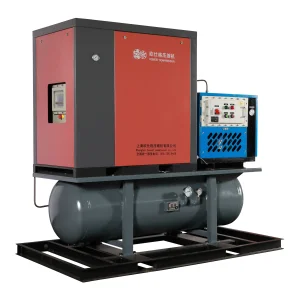
Yes. As an ODM specialist, we engineer complete turnkey packages tailored to customer requirements. Customization includes destination voltages (e.g., 208V/230V/380V/400V/415V/460V/575V at 50Hz or 60Hz), control platforms (Siemens S7, Allen-Bradley, Schneider, or customized microprocessors), Ex d explosion-proof certification, marine offshore paint systems, and compact "4-in-1" all-in-one skids combining the compressor, storage receiver, dryer, and coalescing filtration.
How often must desiccant beds and coalescing filter elements be replaced?
Under standard operating conditions with proper pre-filtration (oil content ≤ 0.01 mg/m³), Activated Alumina desiccant beds offer an operational lifespan of 3 to 5 years (approx. 16,000 to 24,000 operating hours). Oil contamination from lubricated compressors will coat adsorbent pores, causing desiccant poisoning and premature degradation. Coalescing pre-filter and particulate post-filter elements should be replaced every 6 to 12 months, or whenever the differential pressure (ΔP) reaches 0.35 to 0.5 bar.
What is Dew Point Dependent Switching (DDS) and how does it save energy?
In standard desiccant dryers, tower switching operates on a fixed timer (typically 5 to 10 minutes), exhausting purge air regardless of actual air demand or inlet moisture loading. Dew Point Dependent Switching (DDS) utilizes an in-line capacitive or chilled-mirror moisture sensor. The drying tower only cycles to purge and regenerate when the exit dew point approaches the preset limit (e.g., -40°C). During low-flow conditions, this extends the adsorption cycle and can cut purge air consumption by up to 60%-80%.
What certifications accompany export shipments from Honest Compressor?
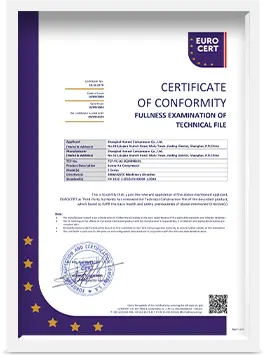
Every industrial unit shipped overseas is supplied with comprehensive quality assurance documentation. This includes factory test certificates, hydrostatic pressure vessel test reports, CE declaration of conformity (PED and Machinery Directives), electrical schematics, operating manuals in English, and ISO 8573 compliance validation. Additional local certifications, such as ASME U-Stamp or Canadian CRN, are supplied upon request.
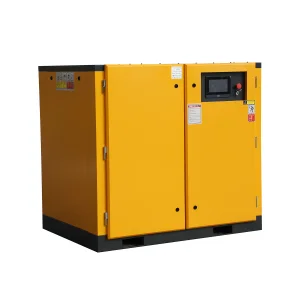
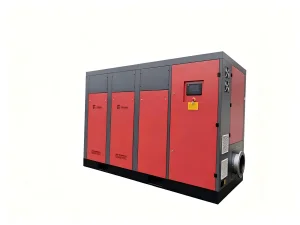
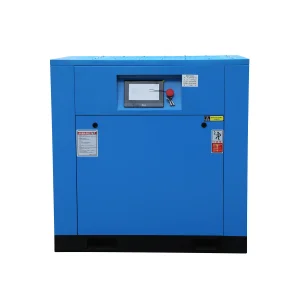
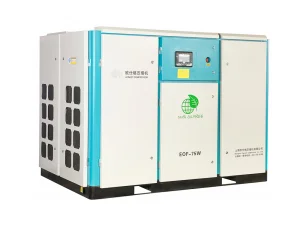
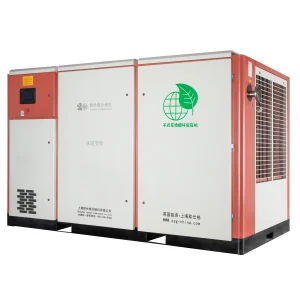
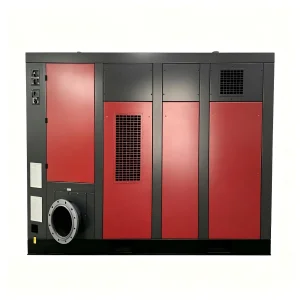
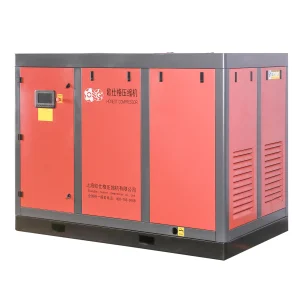
High-Efficiency Industrial Compressor & Vacuum Packages
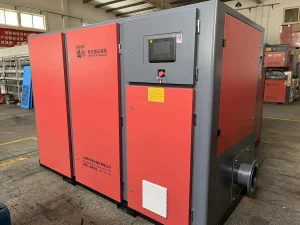
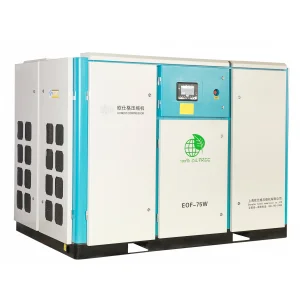
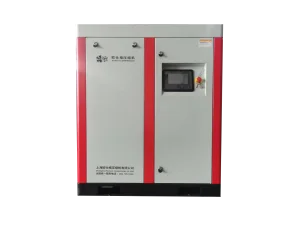
Complementary air generation equipment designed to operate seamlessly alongside our drying and filtration systems. Built for multi-shift industrial duty cycles.
Initiate Your Custom ODM Air Dryer Sizing Review
Send us your required mass flow rate (CFM or Nm³/min), minimum operating pressure, peak inlet temperature, and target ISO 8573-1 purity class. Our application engineering team will prepare an optimized thermodynamic balance calculation and commercial export proposal.