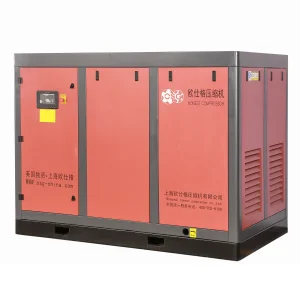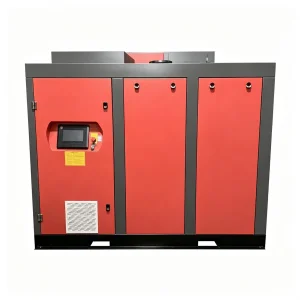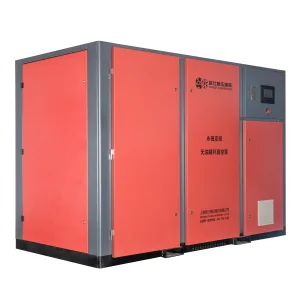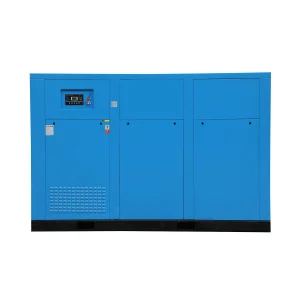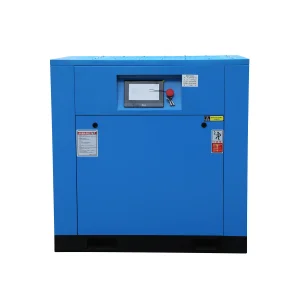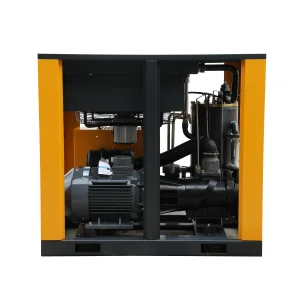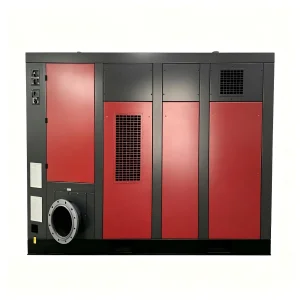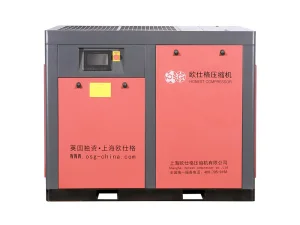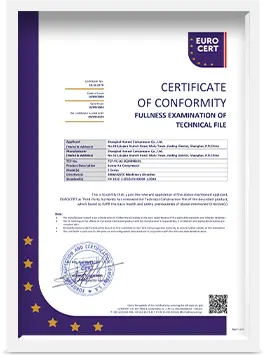
Featured Product Innovations (Series 01)
Explore high-performance two-stage, permanent magnet VFD, and oil-cooled rotating compressors engineered for industrial energy savings.
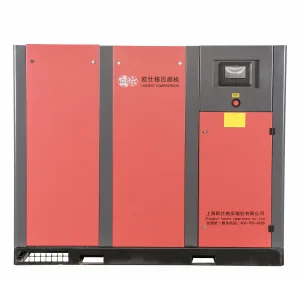
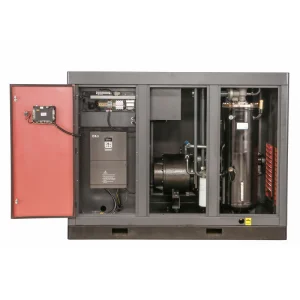
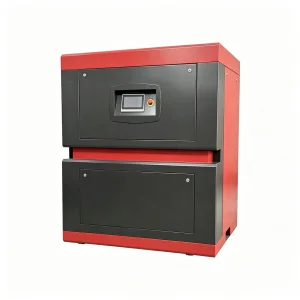
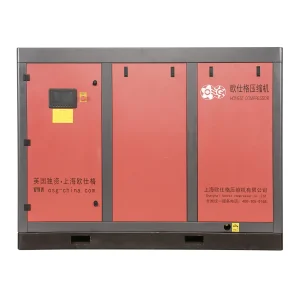
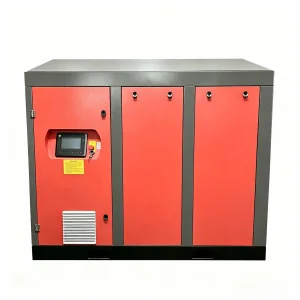
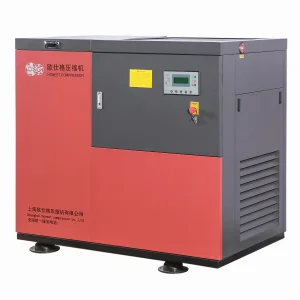
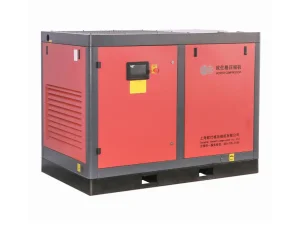
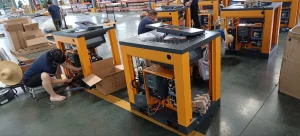
Technical Architecture of Rotating Compressors
A comprehensive examination of displacement dynamics, rotor profile engineering, and thermodynamic efficiency in industrial rotating machinery.
In modern industrial manufacturing, compressed air represents the "fourth utility"—a crucial energy vector driving automated pneumatic tools, chemical separation, laser cutting, and cleanroom processes. Within this paradigm, the selection of an optimal ODM Rotating Compressor Factory & Factories ecosystem forms the baseline for operational excellence, life-cycle cost (LCC) reduction, and energy decarbonization.
Rotating compressors—predominantly rotary screw mechanisms—operate on a positive displacement principle. Intermeshing helical rotors (male and female profiles) trap atmosphere within diminishing inter-lobe volumes to achieve smooth, continuous fluid compression. Unlike reciprocating piston compressors prone to pulsating discharge and high frictional mechanical loss, rotating compressors deliver smooth mass flow, low mechanical vibration, and continuous 24/7 duty cycles under harsh industrial conditions.
Thermodynamic & Structural Efficiency Matrix
| Technology Variable | Standard Fixed-Speed Rotary Screw | ODM Two-Stage PM VFD Rotating Compressor | Oil-Free Dry/Water-Lubricated Rotary |
|---|---|---|---|
| Specific Power Consumption | High (~6.8–7.2 kW / m³/min) | Ultra-Low (~5.2–5.8 kW / m³/min) | Optimized (~6.2–6.6 kW / m³/min) |
| Pressure Ratio Distribution | Single Ratio (e.g., 1:8 in single stage) | Split Ratio (Stage 1: ~1:2.8 | Stage 2: ~1:2.9) | Stage-isolated with intercooling |
| Part-Load Turndown Efficiency | Poor (Unload/Idle losses up to 30%) | Linear (Exact motor speed matching) | VFD Dynamic Control Available |
| Compressed Air Quality Class | ISO 8573-1 Class 2–4 (Oil mist present) | ISO 8573-1 Class 2–4 (Advanced filtration) | ISO 8573-1 Class 0 (100% Oil-Free) |
Why Partner with China's Premier ODM Rotating Compressor Factories
Analyzing supply chain synergy, precision CNC milling, material metallurgy, and cost-effective scalable OEM/ODM manufacturing.
Unmatched Cost-to-Performance Ratio
By integrating local industrial clusters—from raw casting foundries to high-tier inverter manufacturers—Chinese OEM factories eliminate intermediary markups, offering premium machines at compelling capital investment points.
Ultra-Precision CNC Machining
State-of-the-art factories employ German Klingelnberg and Holroyd rotor grinding setups. Machining tolerances are held within micrometers, dramatically reducing volumetric loss and rotor wear over tens of thousands of operating hours.
Complete ODM/OEM Customization
From custom canopy enclosures and multi-language IoT touch controllers to specialized electrical standards (380V, 400V, 415V, 460V @ 50/60Hz), China’s OEM partners tailor unit specifications to precise regional market requirements.
Rigorous Quality Assurance Standards
Leading factories operate under strict ISO 9001, ISO 14001, and ISO 45001 management systems. Units undergo full-load hot testing, vibration spectrum profiling, and air delivery performance verification prior to shipping.
The strategic shift of global industrial procurement toward specialized Chinese ODM factories is rooted in technological maturity. Over the past two decades, top-tier manufacturing hubs in Shanghai, Jiangsu, and Zhejiang have transitioned from basic assembly plants into advanced R&D powerhouses. By combining high-grade ductile iron rotor casting with precision thermodynamic engineering, these facilities deliver industrial rotating compressors that match or exceed Western OEM benchmark efficiency ratings at significantly streamlined capital investment levels.
Global Industry Megatrends & Technological Paradigms
Understanding the technological shifts shaping next-generation compressed air systems and industrial vacuum engineering.
1. Transition to IE4 & IE5 Ultra-Premium Permanent Magnet Motors
As national regulations enforce stricter minimum energy performance standards (MEPS), traditional asynchronous induction motors are rapidly being replaced by permanent magnet synchronous motors (PMSM). Rare-earth permanent magnet motors retain elevated efficiency profiles even during low-frequency part-load operation. Unlike traditional motors whose power factor drops drastically when throttling down, PMSM motors maintain power factors above 0.95 across 20%–100% speed ranges.
2. Two-Stage Compression Architecture Domination
For high-volume continuous industrial air demand (above 37 kW / 50 HP), two-stage rotary screw compressors represent the benchmark for energy optimization. By dividing total compression ratio into two sequential stages, inter-stage cooling drops inlet gas temperatures to the second stage. This reduces the mechanical work required to compress air by 10% to 15% compared to single-stage equivalents operating at identical terminal discharge pressure.
3. IoT Integration & Predictive Maintenance AI
Modern industrial plants require zero unscheduled downtime. Advanced ODM factories now integrate smart cloud-connected PLC controllers featuring RS485 Modbus, CAN-bus, and IoT cellular connectivity. Real-time tracking of oil temperature, bearing vibration spectra, filter differential pressure, and operational power consumption allows remote monitoring platforms to execute predictive maintenance protocols long before mechanical failures occur.
4. The Surge of ISO 8573-1 Class 0 Oil-Free Requirements
Industries such as biopharmaceuticals, microelectronics manufacturing, automotive spray painting, and food processing demand total air purity. Zero oil contamination is mandatory. Consequently, ODM factories are expanding production of dry-type oil-free rotating compressors featuring PTFE/polyimide-coated rotors, as well as water-lubricated single-screw and twin-screw compressors where purified water serves as the cooling and sealing medium.
Macro Industry Solutions & Application Scenarios
Tailored rotating compressor configurations engineered for specific industrial production requirements worldwide.
High-Pressure Laser Cutting Systems
Fiber laser cutting demands high-pressure dry compressed air (16–20 bar) as an assist gas to blow away molten metal cleanly. Custom ODM 20bar oil-cooled rotary compressors paired with integrated refrigerated dryers ensure dry, oil-free cutting surfaces, drastically lowering operating costs compared to liquid nitrogen assist gas.
Heavy Chemical & Process Plants
Continuous chemical processes require continuous continuous air flow (up to 110kW–250kW units). Heavy-duty two-stage rotating compressors feature explosion-proof control cabinets (Ex d IIB/IIC) and heavy-duty dust filters to operate reliably in hazardous petrochemical atmospheres.
Pharmaceutical & Medical Processing
Strict hygiene norms mandate zero hydrocarbon contamination. Water-lubricated oil-free rotary screw compressors provide Class 0 certified air, eliminating product batch contamination risks and fulfilling FDA, GMP, and ISO compliance standards.
Pneumatic Conveying & Wastewater Treatment
Low-pressure applications (0.3–1.5 bar) demand dedicated air delivery solutions. ODM Oil-Free Screw Blowers deliver smooth flow with significantly higher energy efficiency than traditional Roots blowers, cutting power expenditure in municipal aeration tanks by up to 30%.
Global Procurement & ODM Customization Protocol
A systematic framework for global OEMs, distributors, and engineering contractors seeking custom rotating compressor manufacturing partners.
Navigating global procurement requires rigorous technical alignment between international buyers and Chinese ODM factories. To ensure seamless market entry and long-term equipment reliability, strategic buyers follow a structured customization process:
- Parameter Sizing & Duty Profile Analysis: Defining exact free air delivery (FAD in m³/min or CFM), pressure setpoints (bar/PSI), target ambient operating conditions (-15°C to 50°C), and load variability profiles.
- Electrical & Compliance Customization: Matching site voltage configurations (e.g., North American 460V/60Hz, European 400V/50Hz, Southeast Asian 380V/50Hz) and integrating certified electrical panels (CE, UL, CSA, or EAC compliant).
- Custom Firmware & UI Localization: Programming customized PLC touch-screen interfaces with multi-lingual menus, brand logo integration, and specialized telemetry protocol outputs (Modbus RTU/TCP).
- Mechanical Enclosure & Structural Design: Tailoring canopy dimensions, acoustic insulation thickness, sound attenuation baffles, colorways, and external skid lifting points for transportability.
- Factory Acceptance Testing (FAT) & Certification: Conducting full performance logging against ISO 1217 Annex C/E standards before issuing final seaworthy export packing.
Technical FAQ & Expert Knowledge Base
Detailed engineering answers to critical procurement, operational, and maintenance inquiries.
Advanced Compressor & Vacuum Solutions (Series 02)
Complete your industrial air infrastructure with dry oil-free vacuum pumps, high-volume rotary screw units, and specialized VFD systems.